
Facts You Should Know About Ebola
- What is Ebola?
Ebola Virus Disease (EVD) is a severe and often fatal illness caused by infection with viruses belonging to the Ebolavirus family.
- What is the Bundibugyo strain?
The current outbreak is caused by the Bundibugyo ebolavirus, one of six known Ebola virus species. It was first identified in Uganda in 2007.
- How does Ebola spread?
Ebola spreads through:
- Direct contact with blood or body fluids of an infected person;
- Contact with contaminated surfaces, clothing or medical equipment;
- Contact with infected animals such as bats or non-human primates.
- Can Ebola spread through the air?
No. Ebola is not an airborne disease like measles or tuberculosis.
- What are the symptoms?
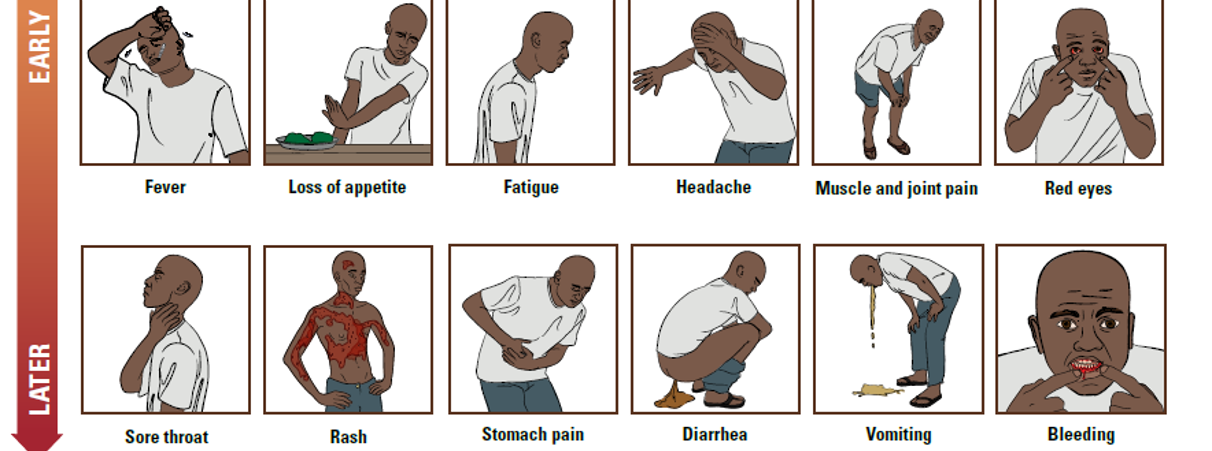
Symptoms may include:
- Sudden fever
- Severe headache
- Muscle and joint pain
- Weakness
- Sore throat
- Vomiting
- Diarrhoea
- Stomach pain
- Unexplained bleeding or bruising in severe cases
- Why is early diagnosis difficult?
Early symptoms closely resemble malaria, typhoid fever and Lassa fever, making laboratory testing essential for confirmation.
- Is there a cure?
There is no specific cure for Bundibugyo Ebola virus disease. However, early medical care, fluid replacement, supportive treatment and prompt isolation significantly improve survival chances.
- Is there a vaccine?
Currently, there is no widely approved vaccine specifically for the Bundibugyo strain, although research and emergency-use interventions are ongoing.
- What should Nigerians do?
Health experts advise Nigerians to:
- Wash hands frequently.
- Avoid contact with body fluids of sick persons.
- Report unusual fever or illness promptly.
- Seek medical attention early.
- Follow public health advisories from the NCDC and health authorities.
- Is Nigeria prepared?
Nigeria’s successful management of the 2014 Ebola outbreak demonstrated the effectiveness of rapid surveillance, contact tracing and coordinated emergency response. The NCDC says preparedness measures have already been activated nationwide.
For updates, Nigerians are encouraged to follow information from the NCDC, Federal Ministry of Health and the World Health Organization.
About author

You might also like

Shocker: TB kills 420 Nigerians daily!
• “TB is in the air,” NTBLC Coordinator says • Commends Agbami for outstanding support The 2-day Public Private Mix (PPM) Summit for Tuberculosis Control in Nigeria organised by
Universal access to sexual, reproductive health, key to gender equality, Osotimehin
“Gender equality is a human right. Women are entitled to live in dignity and in freedom from want and fear, without discrimination. Gender equality is also vital to sustainable

Tales from dental clinic
My first encounter with a dentist was quite memorable. I had this excruciating toothache that just wouldn’t respond to simple analgesics and for two days or so I couldn’t chew
0 Comments
No Comments Yet!
You can be first to comment this post!