
Facts You Should Know About Ebola
- What is Ebola?
Ebola Virus Disease (EVD) is a severe and often fatal illness caused by infection with viruses belonging to the Ebolavirus family.
- What is the Bundibugyo strain?
The current outbreak is caused by the Bundibugyo ebolavirus, one of six known Ebola virus species. It was first identified in Uganda in 2007.
- How does Ebola spread?
Ebola spreads through:
- Direct contact with blood or body fluids of an infected person;
- Contact with contaminated surfaces, clothing or medical equipment;
- Contact with infected animals such as bats or non-human primates.
- Can Ebola spread through the air?
No. Ebola is not an airborne disease like measles or tuberculosis.
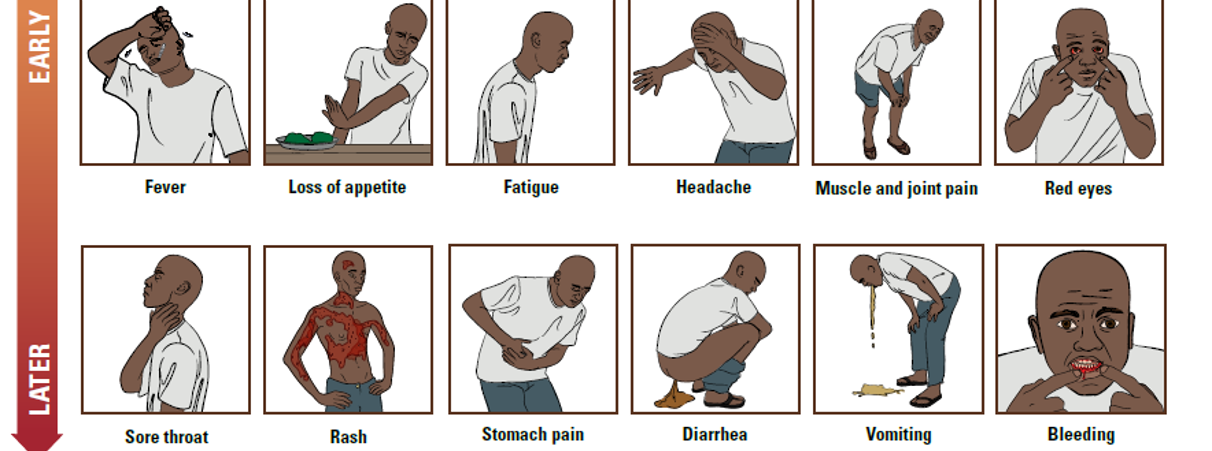
- What are the symptoms?
Symptoms may include:
- Sudden fever
- Severe headache
- Muscle and joint pain
- Weakness
- Sore throat
- Vomiting
- Diarrhoea
- Stomach pain
- Unexplained bleeding or bruising in severe cases
- Why is early diagnosis difficult?
Early symptoms closely resemble malaria, typhoid fever and Lassa fever, making laboratory testing essential for confirmation.
- Is there a cure?
There is no specific cure for Bundibugyo Ebola virus disease. However, early medical care, fluid replacement, supportive treatment and prompt isolation significantly improve survival chances.
- Is there a vaccine?
Currently, there is no widely approved vaccine specifically for the Bundibugyo strain, although research and emergency-use interventions are ongoing.
- What should Nigerians do?
Health experts advise Nigerians to:
- Wash hands frequently.
- Avoid contact with body fluids of sick persons.
- Report unusual fever or illness promptly.
- Seek medical attention early.
- Follow public health advisories from the NCDC and health authorities.
- Is Nigeria prepared?
Nigeria’s successful management of the 2014 Ebola outbreak demonstrated the effectiveness of rapid surveillance, contact tracing and coordinated emergency response. The NCDC says preparedness measures have already been activated nationwide.
For updates, Nigerians are encouraged to follow information from the NCDC, Federal Ministry of Health and the World Health Organization.
About author

You might also like
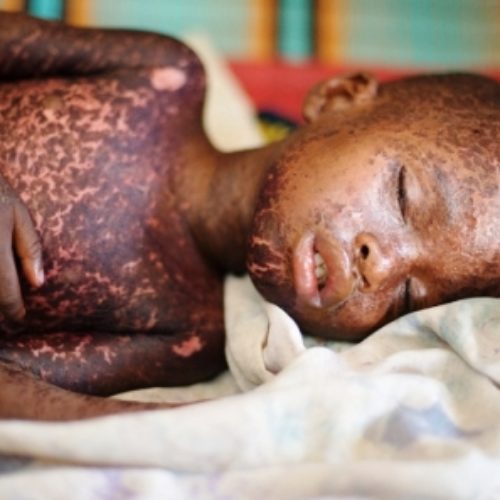
Measles: Adamawa shuts schools
Adamawa State Government has closed down public and private schools following the outbreak of measles in the state. The closure notice was contained in a statement signed by Permanent Secretary
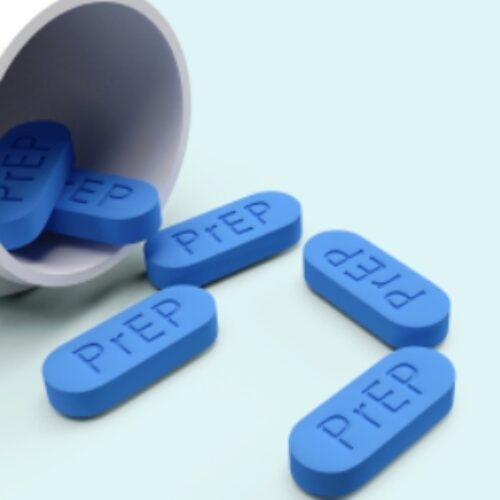
HIV Prevention: Group calls for adoption of PrEP drug
For Nigeria not to be left behind in the fight against HIV, an advocacy organisation, New HIV Vaccine and Microbicide Advocacy Society (NHVMAS), has called for the adoption of a


Lagos Restates Commitment to Reduction of Non Communicable Diseases
The Lagos State Government has once again restated its commitment towards the reduction of the burden of non-communicable diseases (NCDs) like hypertension, diabetes and cancers of the breast, cervix and

0 Comments
No Comments Yet!
You can be first to comment this post!