
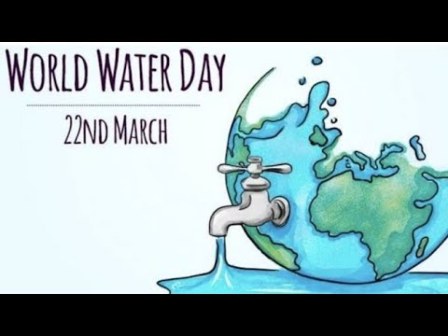
Nearly one third of Nigerian children do not have enough water to meet their daily needs – UNICEF
ABUJA, 22 March 2021 – As the world commemorates World Water Day, globally, more than 1.42 billion people – including 450 million children – are living in areas of high or extremely high water vulnerability, according to new analysis released by UNICEF. This means that 1 in 5 children worldwide does not have enough water to meet their everyday needs.
The figures in Nigeria are particularly worrying, with 26.5 million Nigerian children experiencing high or extremely high water vulnerability – or 29 per cent of Nigerian children.
The analysis, part of the Water Security for All initiative, identifies areas where physical water scarcity risks overlap with poor water service levels. Communities living in these areas depend on surface water, unimproved sources of water, or water that can take more than 30 minutes to collect.
“The world’s water crisis is not coming – it is here, and children are its biggest victims,” said Peter Hawkins, UNICEF Representative in Nigeria.
“When wells dry up, children are the ones missing school to fetch water. When droughts diminish food supplies, children suffer from malnutrition and stunting. When floods hit, children fall ill from waterborne illnesses. And when water is not available in Nigerian communities, children cannot wash their hands to fight off diseases,” said Peter Hawkins
The UNICEF data show that children in more than 80 countries live in areas with high or extremely high water vulnerability. Eastern and Southern Africa has the highest proportion of children living in such areas, with more than half of children – 58 per cent – facing difficulty accessing sufficient water every day. It is followed by West and Central Africa (31 per cent), South Asia (25 per cent), and the Middle East (23 per cent). South Asia is home to the largest number of children living in areas of high or extremely high water vulnerability – more than 155 million children.
Children in 37 ‘hotspot’ countries face especially dire circumstances, in terms of absolute numbers, the proportions of children affected, and where global resources, support and urgent action must be mobilized. This list includes Afghanistan, Burkina Faso, Ethiopia, Haiti, Kenya, Niger, Nigeria, Pakistan, Papua New Guinea, Sudan, Tanzania and Yemen.
Last year, the Nigerian Government and UNICEF released a WASH NORM study which showed that while there has been some progress, thanks to efforts by the Ministry of Water Resources and its partners to strengthen the sector’s planning and monitoring – there is still much more work to be done in the country to ensure that all Nigerians have access to adequate and quality water and hygiene services.
Sustainable and equitable access to safe drinking water remains a challenge in Nigeria, with over 86 per cent of Nigerians lacking access to a safely managed drinking water source. The problem is compounded by poor drinking water quality and lack of equity in access.
Although about 70 per cent of Nigerians are reported to have access to a basic water services, more than half of these water sources are contaminated. And although 73 per cent of the country’s population have access to a water source, only nine litres of water on average is available to a Nigerian daily.
At the current rate, the country will miss the SDG targets on people’s access to water, unless there is a strong commitment and appropriate action taken by all stakeholders.
While the impact of water scarcity can be felt by all, no one suffers more than the most vulnerable children. Children and families living in vulnerable communities face the double-edged sword of coping with high water scarcity levels while having the lowest water services, making access to sufficient water especially susceptible to climate shocks and extreme events.
“We have to act now both to address the water crisis in Nigeria to prevent it from getting worse and if we want to meet the SDGs,” said Peter Hawkins. “We can only achieve water security for every Nigerian – including the Nigerian child – through innovation, investment and collaboration, and by ensuring services are sustainable and well-managed. We must act – for the sake of our children and our planet.”
About author

You might also like
Kudos as Save The Children donates toilets to Lagos schools
Rita Michael Edet 11, a Primary Six pupil of St Paul UNA Primary School, Shomolu, Lagos could hardly conceal her excitement as she joined guests to commission a new toilet

Group solicits funds for indigent patients
Says monthly N500 donation will save a soul Launches ‘NONE SHOULD DIE’ project for accident victims Health Emergency Initiative (HEI) a nongovernmental organization that stands in the gap for the
Rainbow Medical Centre organises training workshop on diabetes foot care
In a bid to help prevent and manage complications of diabetes mellitus, now on the increase worldwide, with Nigeria having the highest number of cases in Africa, Rainbow Specialist Medical

0 Comments
No Comments Yet!
You can be first to comment this post!