
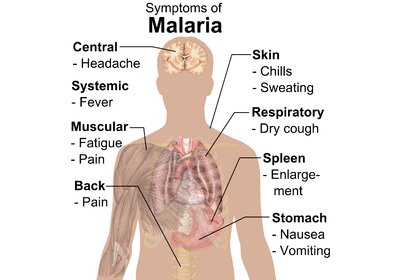

Ahead of the Global Fund Replenishment next year, Heads of State and Government gathering at the United Nations General Assembly (UNGA) warned that funding for malaria must be increased to prevent the number of cases and deaths rising.
Their warning follows new modelling conducted by the Malaria Atlas Project, which reveals an additional 300,000 lives are in jeopardy.
The Global Fund to Fight AIDS, Tuberculosis and Malaria is one of the primary sources of funding for the control and elimination of all three diseases. Funded largely by governments, it pools the world’s resources to fight AIDS, TB and malaria, raising and investing money in three-year cycles known as Replenishments.
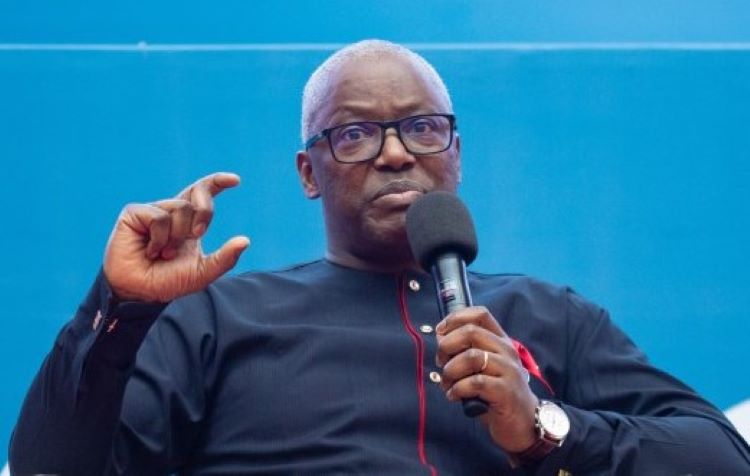 Dr. Michael Charles
CEO, RBM Partnership to End Malaria
The new models show that if there is a flatlining of malaria resources (with the Global Fund Replenishment again achieving approximately $15.6 bn in total and allocations across the three diseases remaining on par with the current cycle), the world could see an additional 112 million malaria cases and up to 280,700 additional deaths across the three-year period, with upsurges and outbreaks happening right across the continent of Africa.
Current funding levels will be inadequate to tackle the disease because of multiple challenges converging. Insecticide and anti-malarial drug resistance are on the rise, reducing the effectiveness of existing malaria interventions. There are now highly effective new tools, such as dual-insecticide mosquito nets, that address resistance but the costs to roll out these interventions are higher. Climate change and humanitarian crises are also coinciding with deadly effect and leave those affected even worse off and more vulnerable to malaria.
The situation will be even worse if the total Global Fund Replenishment sees a cut to resources and takes funding away from malaria.
In the event of a lower replenishment of $11 billion, and a reduction in the malaria allocation, the modelling forecasts we can expect an estimated 137.2 million additional malaria cases and up to 337,000 additional malaria deaths.
The world is already facing insufficient funds based on the current cycle. There is an estimated gap of more than $1.5 billion to sustain services at 2023 levels; but with the new challenges we are facing, even this will not be enough to get the fight against malaria back on track.
The new projections were raised yesterday by His Excellency President Umaro Sissocco Embaló at a fireside chat – ‘Confronting the Malaria Perfect Storm, convened by the African Leaders Malaria Alliance. They expressed concerns that malaria will quickly resurge if appropriate action is not taken in this Replenishment cycle.
Dr Michael Charles, CEO of the RBM Partnership to End Malaria, said: “The evidence is clear that there is significant risk of malaria epidemics if funding isn’t increased and high-burden areas are unable to deliver critical malaria prevention services. Unlike HIV and TB, malaria is concentrated in lower income countries, particularly across Africa, so often these countries have the least ability to afford the fight. Everyone, no matter where they live, has a right to health. Malaria is straining health systems and making it difficult for people in low income countries to fully enjoy their right to health.
“Allocating the funds from the Global Fund Replenishment is complex, as of course all three diseases urgently need attention. But it is crucial that malaria receives an increase in its funding from the Global Fund, if we are to avoid a wide-scale resurgence. If this doesn’t happen, we can expect cases to spike and increased mortality.
“We already know this will impact women and young children hardest, as they are disproportionately affected by the disease. It will also push more people into poverty and overwhelm already fragile health systems, with economic consequences that will ripple across the world. We simply cannot afford to let this happen.
“The world has a duty to ensure our most vulnerable populations are not further disadvantaged and to do this we need to ensure the right funding is in place, starting with the global fund replenishment.”
