
WHO warns on dangers of diabetes complications
• Expresses concerns over global rate of antibiotic resistance
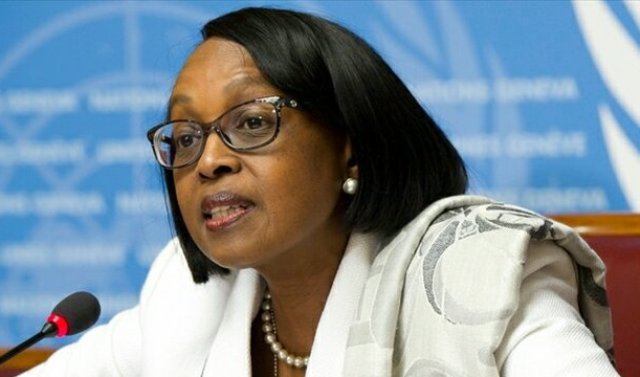
Dr. Matshidiso Moeti,
WHO Regional Director for Africa
ABUJA – The World Health Organization, WHO, has warned of dangers associated with diabetes.
WHO said persons living with the disease may go blind, suffer kidney failure, lower limb amputation and other complications, if the disease is not well managed.
The organization also said the burden of the disease in Africa had been worrisome, jumping from four million in 1980 to 25 million in 2014.
At a meeting to commemorate 2018 World Diabetes Day in Abuja, Wednesday, WHO Regional Director for Africa, Dr Matshidiso Moeti urged persons suffering from the condition to engage in physical activities always and eat healthy diet.
Moeti, who was represented by Officer in Charge of the organization, Dr Samuel Peter, said that increase in diabetes, “is due to aging population and lifestyle changes, including unhealthy diets and a lack of physical activity. Overweight and obesity are the strongest risk factors for type 2 diabetes, cardiovascular disease and other non- communicable diseases.”
She described the disease as a serious, persistent condition in which blood sugar is elevated. He said it may either be due to pancreas not producing enough insulin (type 1 diabetes), or the body being unable to effectively use the insulin it produces (type 2 diabetes) Over 90% of diabetes is type two diabetes. If not well controlled, diabetes may cause blindness, kidney failure, lower limb amputations and other complications,” she stated.
According to her, in many African settings, half of the people living with diabetes type 2 are unaware of the disease and are not receiving treatment. “Early diagnosis and treatment are important for preventing complications of diabetes,” she said.
She explained that while family genes could cause diabetes, family support could be a key benefit for people with diabetes. “Diabetes is also known to drain family finances due to out of pocket payment by patients.
“Disability and premature deaths due to diabetes can push families into poverty. .. It is also a huge burden on the health care system and the national economy of countries…Families can help to drive down diabetes through promoting healthy lifestyles and supporting family members with diabetes,” Moeti furthered, even as she pledged WHO continued assistance to the nation’s health sector.
The theme for this year’s celebration focusses on ” The family and Diabetes “.
Meanwhile, the WHO Regional Director has cautioned on the misuse of antibiotic.
She said at a briefing to commemorate 2018 World Antibiotic Awareness Week on Wednesday that “nothing less than global health security is at stake when antibiotics are misused.”
She said in Abuja, through Dr Samuel Peter, Officer – in-Charge at the WHO that antibiotic resistance make infections like pneumonia, tuberculosis and gonorrhea harder to treat.
“The reason for rising antibiotic resistance include over-prescribing, misuse by patients who don’t follow the advice of health care professionals…”, she said.
According to her, Africa lacks data on the scope of the scale of antibiotic resistance. But, she called for more research into antibiotic resistance across the world.
She decried poor investment in medicines, vaccines and diagnostic tools, and noted that since the 1980s, there had been very few new antibiotics.
She also appealed to health care providers and households to be more hygienic.






0 Comments
No Comments Yet!
You can be first to comment this post!