

Papa Ogbeh never imagined that the occasional headaches he treated with paracetamol were warning signs of a silent killer. At 67, the busy Benin craftsman had hardly ever visited a hospital. Then one afternoon, he collapsed in his workshop. When he regained consciousness at the University of Benin Teaching Hospital, doctors told him the stroke had been triggered by dangerously high blood pressure.
“Hypertension? Wetin be that?” he asked weakly, with a puzzled look on his face.
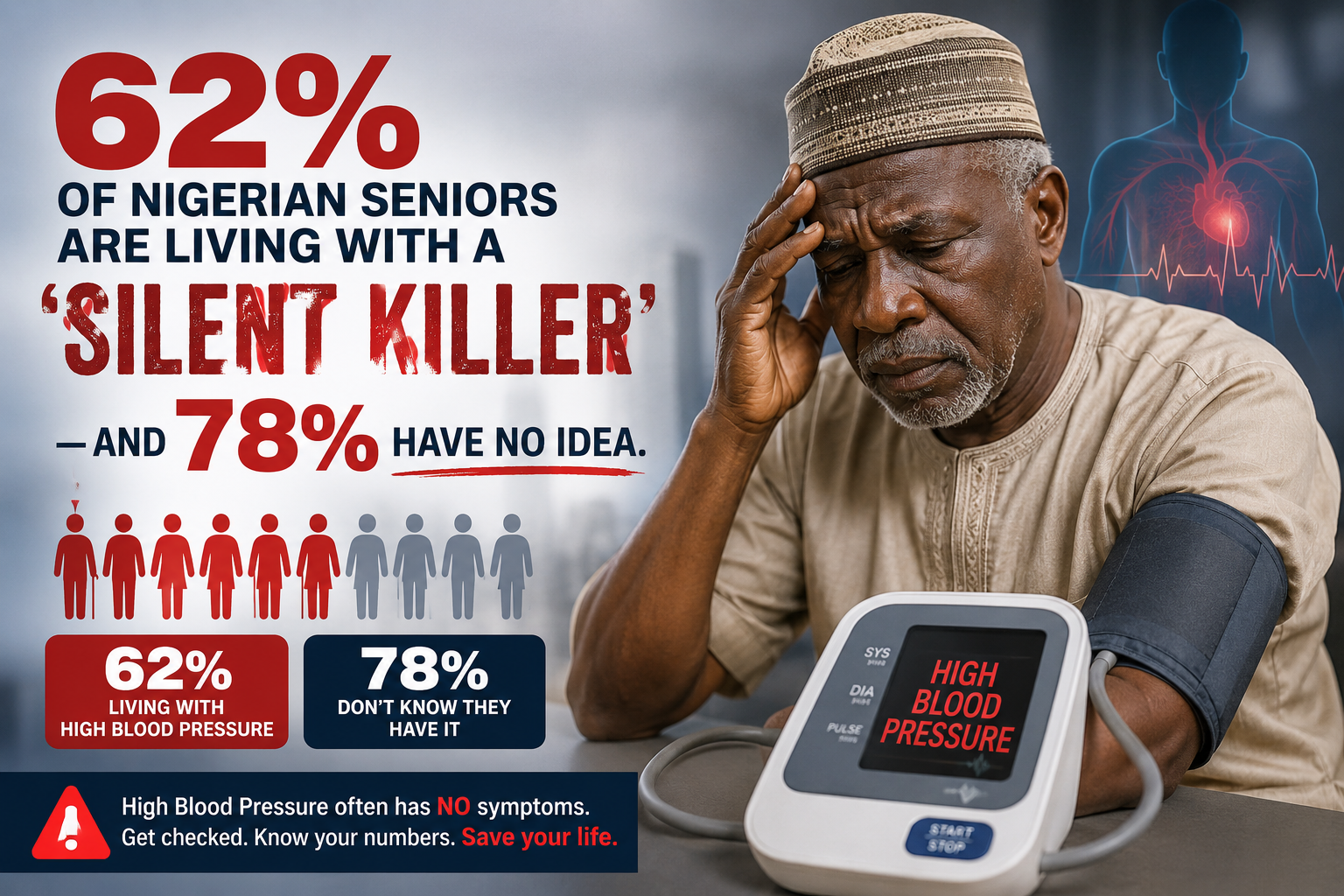
Papa Ogbeh’s story is far from unique. It is the defining reality for senior citizens in our country and elsewhere in the world. Nigeria is currently facing a massive, hidden geriatric health emergency. Recent medical research, including data from the landmark UCH, Ibadan Study of Ageing, reveals an alarming reality. Between 44% and 62% of Nigerian seniors aged 60 and older are living with hypertension.
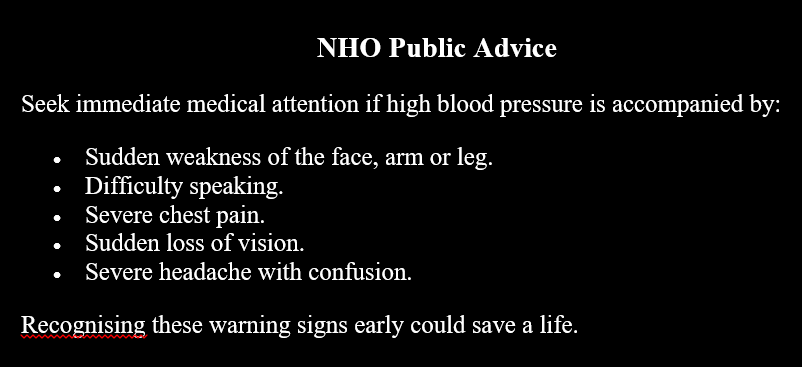
Even more terrifying is the massive awareness gap. Some studies suggest that up to 78% of these elderly individuals like Papa Ogbeh do not know they have the condition until a catastrophic medical emergency strikes. Doctors rightly call hypertension a “silent killer” because it slips into the body without early warnings. It is a major cause of premature death worldwide, with an estimated 1.4 billion people having the condition.
According to the World Health Organisation (WHO) hypertension occurs when the force of blood against the artery walls remains consistently too high. Over time, it damages blood vessels and increases the risk of stroke, heart attack, kidney disease and dementia.
“Hypertension is both preventable and treatable – but without urgent action, millions of people will continue to die prematurely, and countries will face mounting economic losses,” WHO says.
Why it poses problem
So why are so many Nigerian elders losing the quiet battle with hypertension? Healthcare experts point to a deeply rooted web of financial, psychological, and physical barriers that paralyze effective hypertension management.
First and foremost is the crushing economic burden of care. Managing high blood pressure requires taking medication every single day for the rest of a person’s life. In Nigeria, where a comprehensive national health insurance system for senior citizens remains largely non-existent, these vulnerable retirees must pay for their drugs entirely out-of-pocket. For an elderly person surviving on a meager, frequently delayed pension — or relying entirely on the unpredictable financial goodwill of their children — buying expensive monthly antihypertensive drugs is an impossible financial choice. When money runs tight, medication is often the first item cut from the household budget.
Beyond finances lies the psychological trap of the condition itself. Because hypertension rarely causes physical pain, patients frequently fall into the “I feel fine” trap. Many older adults abruptly stop taking their daily tablets the moment their prescription runs out or they experience a string of good days. They mistake temporary medical control for a permanent cure, unaware that stopping their medication causes their blood pressure to rebound to even more dangerous levels.
Finally, the natural physical toll of aging complicates treatment. Many seniors must manage multiple chronic age-related conditions at once, such as arthritis or diabetes. This results in a heavy “pill burden,” where an individual must keep track of four or five different tablets a day. For an aging mind, this easily leads to confusion, accidental double-dosing, or dangerous periods of forgotten and skipped doses.
Control measures
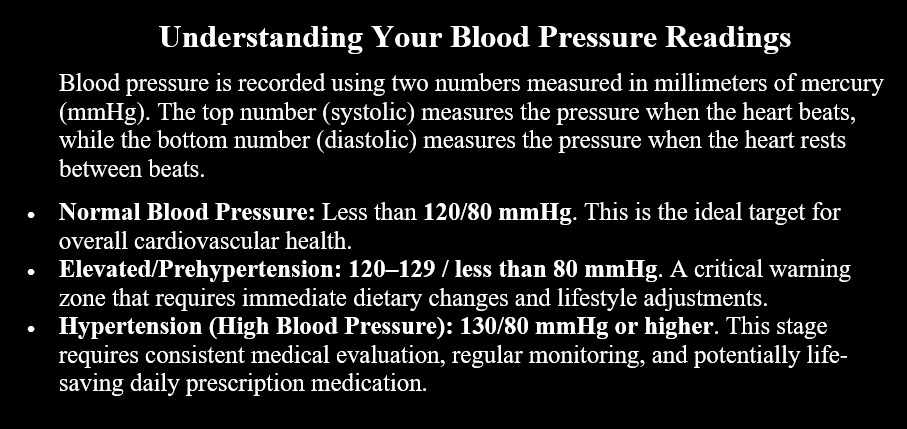
To control the hypertension epidemic, experts have urged every Nigerian, both young and old to be fully involved in hypertension management and control. At the family level, we must actively become our parents’ keepers. It is no longer enough to ask our elderly relatives how they feel; we must know their medical numbers. Every single adult over the age of 60 should have their blood pressure checked at least once a month. Families should invest in simple, automatic digital blood pressure monitors for home use and actively help seniors organize their medications using clearly labeled, weekly pillboxes or synchronized daily phone alarms.
Dietary habits must also change. Traditional Nigerian cuisine is rich, flavorful, and deeply tied to our cultural identity, but it can be incredibly heavy on salt, sodium-laden bouillon cubes, and reused, oxidized palm oils. We must deliberately modify our cooking habits for our elders, swapping out artificial flavor enhancers for natural herbs, garlic, ginger, and locally sourced, heart-healthy oils.
Furthermore, light physical activity should remain a core part of their daily routine. A simple, low-impact 20-minute morning walk around the neighborhood can work wonders for cardiovascular health and help keep blood pressure numbers within a safe, stable range.
In the foreword to the WHO report, Director-General Dr Tedros Adhanom Ghebreyesus says countries have the capabilities and tools to save millions of people with hypertension by ensuring universal health coverage for all with political will, investment and reforms to embed hypertension control in health services. In Nigeria, experts urge both the Federal and State governments to subsidize essential cardiovascular drugs for seniors and aggressively roll out free community-based screenings at local markets, town halls, and places of worship.
Hypertension may be a silent killer, but it does not have to be a death sentence. With regular blood pressure checks, affordable treatment, healthy lifestyles and strong family support, millions of Nigerian seniors can live longer, healthier and more productive lives.
- The Healthy Ageing Project is a collaborative platform on healthy ageing and longevity, with Healhtimes Communications Nigeria Limited serving as the interim administrative host.
