

“A society is measured by how it cares for its elderly citizens” – The Spanish National Hip Fracture Registry
Nigerians proudly describe themselves as a people who respect older persons. Across our various cultures, elders are greeted with honour, consulted for wisdom and rarely addressed by their first names. Yet beyond these outward expressions of respect lies a more difficult question: Do we truly care for our older people when they need us most? Just consider these instances:
Mama Abigael, 82, has been living with her son, Nnamdi and his family for the past three years, following the death of her husband. A former secondary teacher, she can no longer collect her monthly pension in person so, Nnamdi, who now has access to her bank account, collects it on her behalf. Mama now depends fully on him to cater for all her needs. She currently faces some health challenges too – severe arthritis that has almost crippled her, hearing loss, back and neck pain while her sight seems to be failing (a suspected case of cataract) and some other ailments that spring up once in a while.
Somehow, she just has to bear the discomfort of these challenges as her son and daughter-in-law could sometimes be too busy to take her to the hospital when the conditions deteriorate. Occasionally when they do, they complain about the long hours they have to spend. Services at the hospital could be very slow and unlike other departments that render exclusive service for women and children, Mama Abigael has to join the queue at the general out-patient department. Sometimes all she gets after the long wait could be pain killers and assurance that what she feels are normal and related to her old age. She has heard of government hospitals in Lagos offering pharmaceutical services to elders at discounted prices but this is not so in her own state. Her son also complains that her medical bills are becoming unaffordable.
In Lagos, the respect accorded to Alhaji Kolawole, 75, by members of the public ends with verbal greetings. Rather, he finds that he is charged more for things he buys on the street and his local community.
“Haba, baba, you are our father na! We are your children and you can dash us the little change. ” many will tell him, when he complains about the excessive charges. Even at home, Alhaji faces a form of discrimination. Madam Kolawole feels he’s too old to be still interested in bedroom matters. But Baba would always prefer to get some cuddle and gentle sex to aid his sleep, which can sometimes could be difficult to get, at the end of the day.
For Mallam Usman, now in his early eighties, the problem is not only that of loneliness when everyone around him must have gone to the farm, his mood is often dampened when everyone feels he must, like a child, take instructions in every situation, not minding how he feels. He’s told he cannot eat certain foods that he craves and cannot even spend his own money without permission!
“Nne” or Grandma Elizabeth, a nonagenarian, on her part has received “gentle” slaps several times whenever she soils herself without calling out for assistance. Not only that, she suffers the indignity of being left outside in the sun because the local experts say the early morning sun is good for her. Being immobile, she often needs to be carried back indoors but the assistance sometimes could come very late.
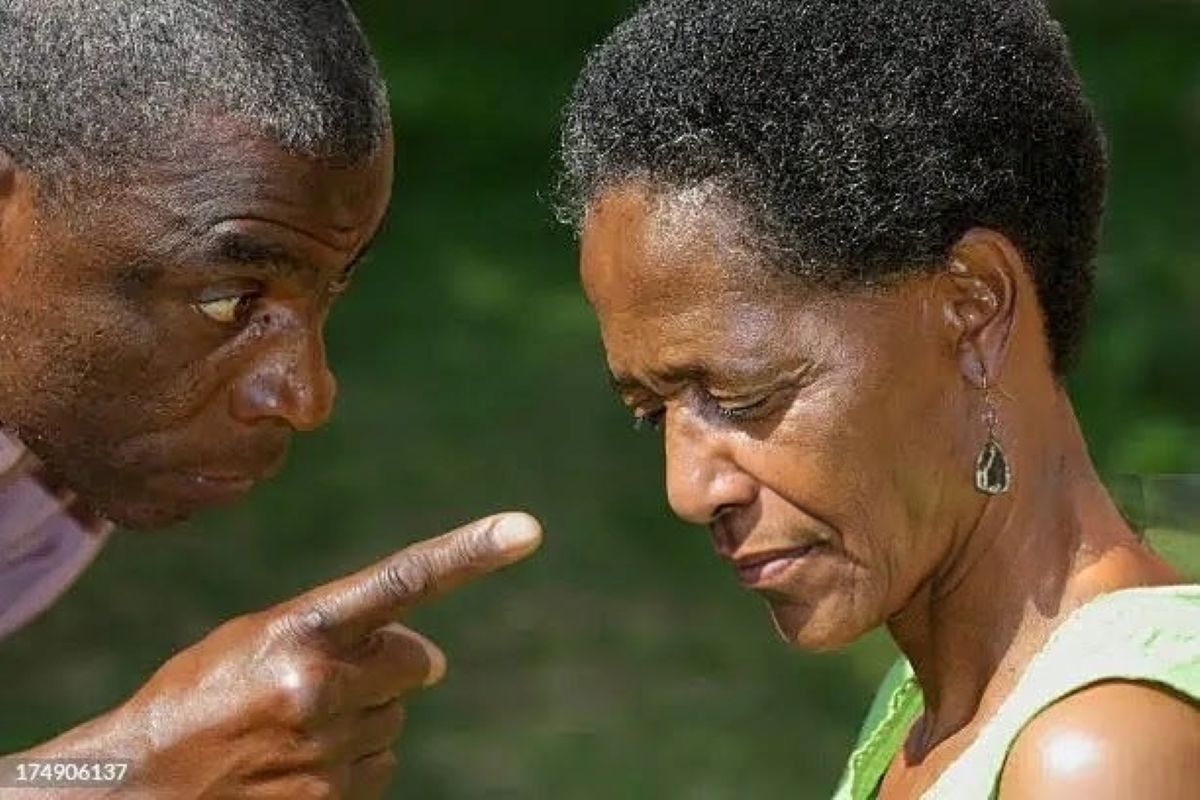
Nigerian senior citizens are not alone. According to the World Health Organisation (WHO), around 1 in 6 people 60 years and older experienced some form of abuse in community settings during the past year.
“The abuse of older people, also known as elder abuse, is a single or repeated act, or lack of appropriate action, occurring within any relationship where there is an expectation of trust, which causes harm or distress to an older person. This type of violence constitutes a violation of human rights and includes physical, sexual, psychological and emotional abuse; financial and material abuse; abandonment; neglect; and serious loss of dignity and respect.”
Unknown to many people, abuse of older people can have serious physical and mental health, financial, and social consequences, including, for instance, physical injuries, premature mortality, depression, cognitive decline, financial devastation and placement in nursing homes. For older people, the consequences of abuse can be especially serious and recovery may take longer, WHO says further.
Growing old is a privilege that many people hope to enjoy. How we treat today’s older persons reflects the kind of society we are building – and the kind of future that awaits us all. Respect should not end with calling an elderly person “Daddy,” “Mummy,” “Baba” or “Mama.” It should be reflected in our actions, our healthcare system, our families and our public policies. If we truly honour our elders, we must protect them from neglect, exploitation and abuse, and ensure they live their later years with dignity, comfort and love.
Let’s not send them to an early grave, Stop the abuse of older people in Nigeria.
- Names used in this article are fictitious but the situations are real.
- Next week in Healthy Ageing: Why falls are one of the biggest threats to older Nigerians—and how to prevent them.
- The Healthy Ageing Project is a collaborative platform on healthy ageing and longevity, with Healhtimes Communications Nigeria Limited serving as the interim administrative host.
