
Champion maternal health through multiple micronutrient supplementation advocacy, FHI 360 urges media
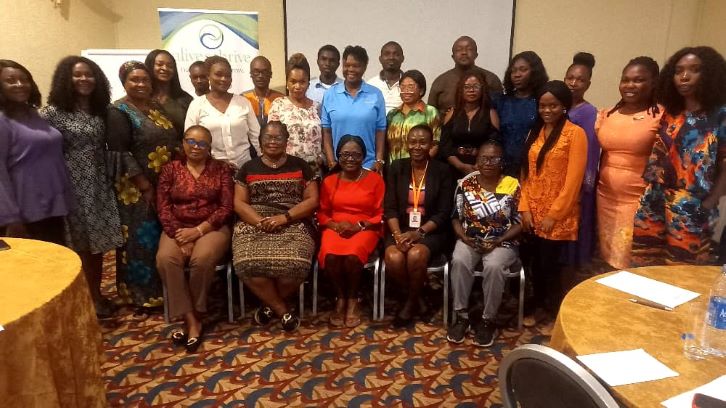
In a move to improve pregnancy outcomes in Lagos State, a non-governmental organisation, FHI 360 Alive&Thrive in collaboration with the Lagos State Ministry of Health has sensitised the state’s media stakeholders to the importance of Multiple Micronutrient Supplementation for pregnant women.
The Alive & Thrive initiative, managed by FHI 360, is funded by the Bill & Melinda Gates Foundation.
At a one-day media roundtable in Ikeja, the NGO stressed the need for the media to advocate for maternal nutrition and MMS supplementation.
Lagos State Coordinator for FHI 360/Alive & Thrive, Olawumi Ajayi, emphasized the body’s increased need for both macronutrients and micronutrients during pregnancy.
“While macronutrients like carbohydrates are required in large quantities, micronutrients such as iron and folate are critical for the development of a healthy pregnancy,” she said.
Ajayi pointed out that the demand for iron, in particular, rises significantly during pregnancy, underscoring the need for adequate supplementation.
The nutritional challenges faced by Nigerian women, especially during pregnancy, are stark.
Ajayi highlighted alarming statistics: as of 2018, 12.1% of women in Nigeria were underweight, and a staggering 58% were anemic.
By 2021, these figures had not improved significantly, with 32% of pregnant women and 23% of women of reproductive age still suffering from anemia.
These deficiencies, Ajayi noted, have dire consequences.
“A 95% folate deficiency among women of reproductive age is particularly concerning, as it can lead to severe health issues such as congenital defects and stillbirths,” she warned.
The nutritional deficiencies prevalent among Nigerian women are compounded by poor dietary practices.
“In Nigeria, diets are often low in essential micronutrients, not necessarily because of the quality of food, but due to poor handling and cooking practices,” Ajayi explained.
She cited examples such as washing cut vegetables in water or overheating palm oil, which significantly reduces their nutritional value. Moreover, many women consume a limited variety of foods, failing to meet the minimum dietary diversity required for a healthy pregnancy.
Data from 2021 revealed that only 28.8% of pregnant and lactating women met the minimum dietary diversity requirement, a figure that reflects the urgent need for improved nutritional education and intervention.
To combat these issues, the Lagos State Ministry of Health has ramped up its efforts to promote the use of Multiple Micronutrient Supplements, MMS.
Mrs. Fadairo Taiwo, the State Nutrition Officer, explained that the ministry has been actively distributing MMS through public health facilities, including general hospitals, Maternal and Child Centres (MCCs), and Primary Health Care Centres (PHCs).
“Our goal is to ensure that every woman of reproductive age, particularly those who are pregnant, has access to these vital supplements,” Taiwo said. She emphasized that MMS plays a crucial role in preventing congenital abnormalities and other health complications.
In addition to distribution efforts, the Lagos State Ministry of Health is working closely with partners like UNICEF, Vitamin Angels, and the Federal Ministry of Health to expand the reach of MMS.
“We want to make sure that MMS is available to every woman in need, regardless of her pregnancy status,” Taiwo noted, adding that these supplements are not available for sale and can only be accessed at public health facilities.
The push for MMS is part of a broader strategy to improve maternal and child health outcomes in Lagos State. By addressing micronutrient deficiencies through supplementation, the ministry aims to reduce low birth weight, combat malnutrition, and ultimately improve the health of both mothers and their babies.






0 Comments
No Comments Yet!
You can be first to comment this post!