
<strong>WHO cautions against use of non-sugar sweeteners for weight control </strong>
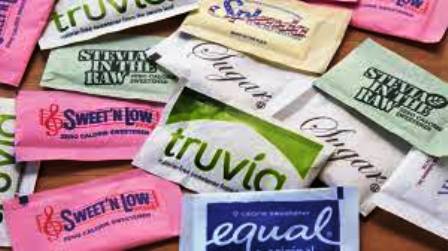
The World Health Organization (WHO) has released a new guideline on non-sugar sweeteners (NSS), which recommends against the use of NSS to control body weight or reduce the risk of noncommunicable diseases (NCDs).
The recommendation is based on the findings of a systematic review of the available evidence which suggests that use of NSS does not confer any long-term benefit in reducing body fat in adults or children. Results of the review also suggest that there may be potential undesirable effects from long-term use of NSS, such as an increased risk of type 2 diabetes, cardiovascular diseases, and mortality in adults.
“Replacing free sugars with NSS does not help with weight control in the long term. People need to consider other ways to reduce free sugars intake, such as consuming food with naturally occurring sugars, like fruit, or unsweetened food and beverages,” says Francesco Branca, WHO Director for Nutrition and Food Safety. “NSS are not essential dietary factors and have no nutritional value. People should reduce the sweetness of the diet altogether, starting early in life, to improve their health.”
The recommendation applies to all people except individuals with pre-existing diabetes and includes all synthetic and naturally occurring or modified non-nutritive sweeteners that are not classified as sugars found in manufactured foods and beverages, or sold on their own to be added to foods and beverages by consumers. Common NSS include acesulfame K, aspartame, advantame, cyclamates, neotame, saccharin, sucralose, stevia and stevia derivatives.
The recommendation does not apply to personal care and hygiene products containing NSS, such as toothpaste, skin cream, and medications, or to low-calorie sugars and sugar alcohols (polyols), which are sugars or sugar derivatives containing calories and are therefore not considered NSS.
Because the link observed in the evidence between NSS and disease outcomes might be confounded by baseline characteristics of study participants and complicated patterns of NSS use, the recommendation has been assessed as conditional, following WHO processes for developing guidelines. This signals that policy decisions based on this recommendation may require substantive discussion in specific country contexts, linked for example to the extent of consumption in different age groups.
The WHO guideline on NSS is part of a suite of existing and forthcoming guidelines on healthy diets that aim to establish lifelong healthy eating habits, improve dietary quality and decrease the risk of NCDs worldwide.
About author

You might also like

Killers or saints: Examining TBA’s role in maternal health care (Part 1)
Women can’t just stop visiting them Despite the availability of robust healthcare services in Lagos, preference for Traditional Birth Attendants (TBAs) remains high. TBA Homes continue to thrive despite the

Gonorrhoea is becoming untreatable, WHO warns
Gonorrhoea infections are increasing, but doctors are running out of antibiotics that can fight the increasingly resistant bacteria causing the sexual disease, the World Health Organisation (WHO) warned on Friday.
Voluntary health insurance makes attainment of UCH difficult in Nigeria – Ag NHIS Executive Secretary
Says scheme won’t relent in sanctioning corrupt stakeholders Abuja – Failure to make health insurance compulsory for people of Nigeria will make attainment of Universal Health Coverage difficult for the

0 Comments
No Comments Yet!
You can be first to comment this post!