
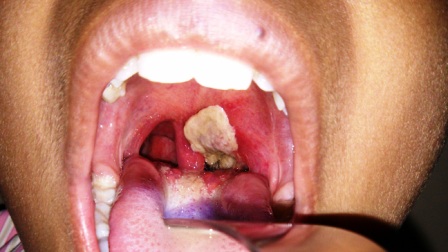
Why there’s resurgence of diphtheria – NCDC

Dr. Ifedayo Adetifa
DG, NCDC
The Nigeria Centre for Disease Control and Prevention (NCDC) has attributed the current resurgence of diphtheria in some states to the low vaccination coverage across the country.
According to its update posted on its official website on Sunday showing that the death toll has now increased to 34, the centre says the low vaccination coverage against vaccine-preventable diseases has resulted in a reduced immunity which in turn has resulted in increased cases of diphtheria.
“The fact that we are having a resurgence of diphtheria now suggests that there have been critical reductions in vaccination coverage among pockets of our population.
“This reduced level of population immunity has given rise to the cases that we are seeing.
“It is not a matter of diphtheria spreading from state to state, the bacteria that causes the disease is present everywhere in our environment.
“Any state where you find diphtheria now, you are likely to find that it will be associated with suboptimal vaccination coverage, either in general or in pockets of the population,” the Centre said.
NDCD describes Diphtheria as a serious bacterial infection caused by the bacterium called Corynebacterium species that affects the nose, throat and sometimes, skin of an individual.
People most at risk of contracting diphtheria include:
- Children and adults who have not received any or a single dose of the pentavalent vaccine (a diphtheria toxoid-containing vaccine).
- People who live in a crowded environment.
- People who live in areas with poor sanitation.
- Healthcare workers and others who are exposed to suspected/confirmed cases of diphtheria.
NCDC also disclosed that diphtheria could be spread through direct contact with infected people; droplets from coughing or sneezing and contact with contaminated clothing and objects.
Symptoms to watch out for include:
- Fever
- Runny nose
- Sore throat
- Cough
- Red eyes (conjunctivitis)
- Neck swelling
- In severe cases, a thick grey or white patch appears on the tonsils and/or at the back of the throat associated with difficulty breathing.
The centre further disclosed that the onset of signs and symptoms usually starts after 2 – 10 of exposure to the bacteria.
To prevent or reduce the risk of diphtheria, NCDC advised parents to ensure that their children are fully vaccinated against diphtheria with three (3) doses of the pentavalent vaccine as recommended in the childhood immunisation schedule.
The Centre further advised:
“Healthcare workers should maintain a high index of suspicion for diphtheria i.e., be vigilant and look out for symptoms of diphtheria.
“Individuals with signs and symptoms suggestive of diphtheria should isolate themselves and notify the local government area (LGA), state disease surveillance officer (DSNO) or the NCDC through our toll-free line (6232).
“Close contacts with a confirmed case of diphtheria should be closely monitored given antibiotics prophylaxis and started on diphtheria antitoxin treatment when indicated.
“All healthcare workers (doctors, nurses, laboratory scientists, support staff etc.) with higher exposure to cases of diphtheria should be vaccinated against diphtheria.”
About author

You might also like

About 5000 Lagosians may lose homes to flood in 2016, says LASEMA operations boss
Following the prediction by Nigerian Meteorological Agency (NIMET), that high level of flood will occur in Lagos and other states this year, Head Operations and Logistics, Lagos State Emergency Management Agency (LASEMA),

We’ll make UBTH a prime medical tourism centre – CMD
In its bid to attract patients from the West African sub-region and other parts of the world, the Management of the University of Benin Teaching Hospital (UBTH) has embarked on


Meet our dentist
Oral Health Portal kicks off Monday May 20 Dr. Awosusi Bayodele Ayodeji, a practising dentist, will start writing for Nigeria Health Online and its sister publication, the Africa Health Times

0 Comments
No Comments Yet!
You can be first to comment this post!