
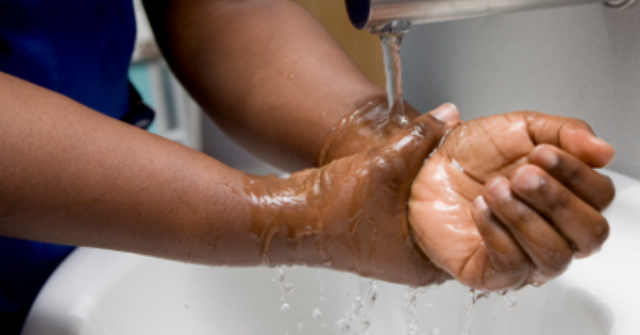
Better way to wash your hands
You do it several times a day: You grab some soap, rub your hands together for 20 seconds or so, then rinse. Yet if you’re aiming to get rid of as much bacteria as possible, you’ve been washing your hands all wrong.
After observing the hand-washing techniques of doctors and nurses, scientists at Glasgow Caledonian University in Scotland say the WHO’s six-step hand-washing technique is most effective, reducing bacteria by 21 percent.
Lathering your hands with soap is actually just the first step. The six-step technique also involves rubbing the backs of hands, the backs of fingers, between fingers, then rotational rubbing of your thumbs, then fingers in your opposite palm.
“Hand hygiene is regarded as the most important intervention to reduce healthcare-associated infections, but there is limited evidence on which technique is most effective,” said Jacqui Reilly, PhD, lead author of the study and professor of infection prevention and control at Glasgow Caledonian University in Scotland. “This study provides a foundation for effective best practices to implement on the frontlines of healthcare.”
During the randomized controlled trial in an urban, acute-care teaching hospital, researchers observed 42 physicians and 78 nurses completing hand-washing using an alcohol-based hand rub after delivering patient care. The six-step technique was determined to be microbiologically more effective for reducing the median bacterial count (3.28 to 2.58) compared to the three-step method (3.08 to 2.88). However, using the six-step method required 25 percent more time to complete (42.50 seconds vs. 35 seconds).
“One of the interesting incidental findings was that compliance with the six-step technique was lacking. Only 65 percent of providers completed the entire hand hygiene process despite participants having instructions on the technique in front of them and having their technique observed. This warrants further investigation for this particular technique and how compliance rates can be improved,” said Reilly.
The researchers recommend authors of international guidance should consider this evidence when making official recommendations on best practices in hand hygiene.
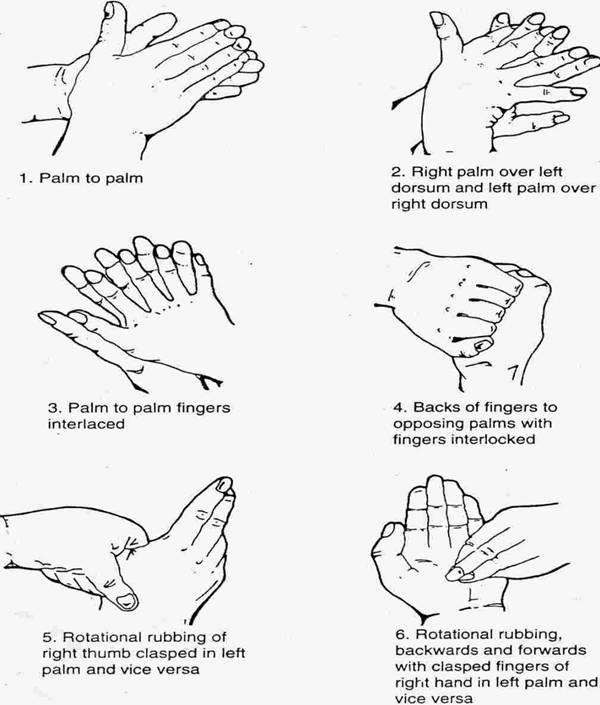
The Six Steps method of hand washing by WHO
About author

You might also like
NAFDAC seizes N60m fake drugs
The National Agency for Food Drugs Administration and Control (NAFDAC) has confiscated fake drugs worth N60millon from a warehouse in Lagos. This was contained in a press statement signed by
Rejection of immunization exposes children, community to disease outbreaks, NPHCDA says
Abuja – The National Primary Health Care Development Agency (NPHCDA), has urged parents to disregard rumours of harmful vaccination spreading across parts of the country. The agency, through its Executive


Why Nigeria Must go pink to fight cancer – Prof. Okoye
Professor of Radiology, College of Med, UNN/UNTH, Coordinator, ‘Breast Without Spot and Nigeria’s most prominent cancer awareness campaigner says Nigerians must be united in pink throughout the month of October


0 Comments
No Comments Yet!
You can be first to comment this post!