

I thought my world had come to an end when I was told I had diabetes mellitus.
That was 30 years ago.
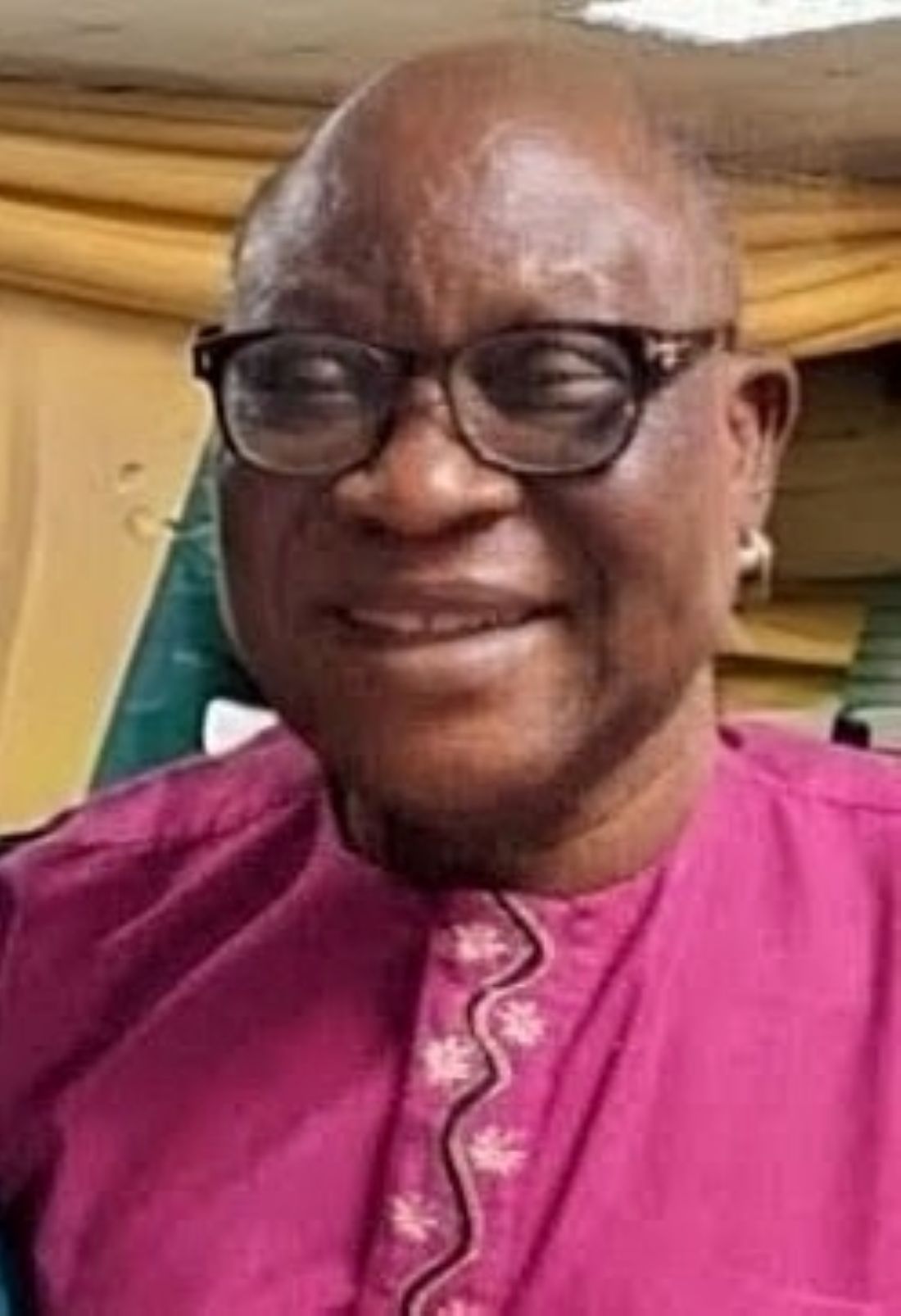
Today, I am still here—full of life, bubbling with energy and eagerly looking forward to celebrating my 70th birthday.
My journey with diabetes began rather unceremoniously. As a health reporter, I had gone to my company’s clinic to investigate something that had been bothering me: I was urinating frequently. The doctor requested a blood test, and the laboratory result came as a shock. My fasting blood sugar was 213 mg/dL.
The diagnosis was diabetes.
At the time, my doctor suggested a brief hospital admission so that my condition could be monitored and my blood sugar safely brought under control. I remember the anxiety that came with the diagnosis. I knew enough as a health reporter to understand the potential complications of diabetes, and perhaps knowing too much made the situation even more frightening.
But I did not know then that the diagnosis was not the end of my world. It was the beginning of a different way of living.
The first few weeks were a blur of adjustments. This was the mid-1990s, long before the digital health tools that are commonplace today. There were no continuous glucose monitors, smartphone applications or devices that could give instant readings and send them to your phone.
I relied on the technology available at the time: finger-prick glucose meters, urine tests and medication. Gradually, I began to understand that living with diabetes required me to pay attention—to what I ate, how active I was, how my body responded to different foods and how stress affected me.
I had always understood, theoretically, the dangers of uncontrolled diabetes. But living with the condition was an entirely different education.
I had a choice: I could allow fear to overwhelm me, or I could learn to manage the disease.
Compassionate Physicians
Fortunately, I encountered a compassionate physician who helped me make that choice – Dr Sesan Onawole, the doctor at our company clinic then.
Dr Onawole did much more than diagnose my condition and prescribe treatment. He helped shape my understanding of diabetes and, in many ways, the way I have lived with it for the past 30 years.
Perhaps he sensed the panic I was trying to hide. Rather than bombard me with frightening statistics, he sat me down and talked to me. He told me about highly placed and accomplished senior citizens in the community who had lived with diabetes for many years and were still leading productive, fulfilling lives.
Then he asked me a question that has remained with me for three decades:
“Are you really going to allow a ‘mere’ disease like diabetes to ruin your life, or are you going to take control of it?”
That question changed my attitude.
I began to see diabetes not as a sentence, but as a condition that required active management.
Dr Onawole became more than someone who prescribed medication. He became an educator. He patiently explained what I should eat, what I needed to avoid and how I could make sensible choices without believing that life had suddenly become a catalogue of forbidden foods.
He also taught me how to monitor my blood sugar with the technology available at the time.
It seems almost primitive by today’s standards.
I remember collecting urine in a test tube he gave me and dropping in a chemical reagent tablet (clinitest). I would watch it fizz and change colour—from blue to yellow or brown—and use the result as an indication of what was happening to my blood sugar.
That was diabetes management in my world three decades ago.
Years later, another doctor would play an equally important role in my journey.
Dr Afoke Isiavwe, an endocrinologist, introduced me to insulin injection. By then, I had learnt enough about diabetes to understand that moving to insulin was not a personal failure. It was simply another stage in managing the condition.
For many people, being placed on insulin can feel like a defeat. Some interpret it as evidence that their diabetes has become “worse” or that they have somehow failed to control the disease.
I learnt to look at it differently.
Insulin was not a punishment. It was another tool for managing my condition—one that helped my body get what it needed.
Dr Isiavwe has been much more than my endocrinologist. Over the years, she has become almost like a sister to me —someone whose professional guidance and personal concern have meant a great deal to me.
Looking back, I realise how fortunate I have been to encounter doctors who did not simply treat my blood sugar, but treated me—the person living with it.
From fear to Understanding
I have now lived with diabetes for three decades. I have taken insulin every day for years, and I have never regarded the injection itself as the enemy. The real enemy is uncontrolled diabetes and the complications it can cause.
Looking back, I realise how fortunate I was to have received patient and compassionate medical guidance at the beginning of my journey.
That is an important part of my story because it is something many people diagnosed with diabetes today may not have.
Doctors in Nigeria’s public hospitals, particularly, often work under enormous pressure, seeing large numbers of patients in circumstances that leave little time for the kind of extended counselling that my doctor was able to provide.
Yet that counselling mattered.
It helped transform my fear into understanding and my understanding into action.
Thirty years later, however, I am also conscious that my experience is not the experience of everyone living with diabetes in Nigeria.
For many patients, the struggle goes beyond the disease itself. There is the cost of medicines, glucose-testing strips and other supplies. There is the difficulty of finding specialist care. There is the shortage of endocrinologists and other specialists. And there is the enormous challenge of maintaining a healthy diet when household incomes are under pressure.
For some people, even monitoring their blood sugar regularly becomes a financial burden.
This is why I do not tell my story simply to celebrate the fact that I have survived 30 years with diabetes.
I tell it because I want someone who has just received the diagnosis to understand that diabetes does not have to mean the end of a productive life.
It does mean that life has to change.
You have to learn your condition. You have to take your treatment seriously. You have to pay attention to your food, physical activity, blood sugar and other aspects of your health. You have to keep your medical appointments and, importantly, ask questions when you do not understand something.
And you have to resist the temptation to become either complacent or frightened.
Diabetes is serious. Poorly controlled diabetes can damage the eyes, kidneys, nerves, heart and blood vessels. I have seen enough as a health reporter to know that.
But diabetes is also manageable.
As I approach my 70th birthday, I am grateful mostly to God and my doctors — not because I believe I have defeated diabetes, but because I have learnt to live with it.
There have been difficult moments. There have been adjustments, disappointments and occasions when managing the condition has been anything but easy. But diabetes has not stopped me from working, writing, travelling, walking, climbing stairs, pursuing projects or looking forward to another birthday.
Thirty years after that frightening laboratory result, I am still here.
And perhaps that is the most important thing I want to tell anyone who has just heard those dreaded words:
Diabetes is a lifelong companion, but it does not have to become the master of your life.
Learn it. Respect it. Manage it.
And keep living.
That, for me, has been the real lesson of 30 years with diabetes.
- The Healthy Ageing Project is a collaborative platform on healthy ageing and longevity, with Healhtimes Communications Nigeria Limited serving as the interim administrative host.
