

The Saving Antibiotics for Resistant Microbes through Administration of Azithromycin in Nigeria (SARMAAN) Project has recorded another milestone with the successful distribution of three million bottles of Azithromycin to nine states as part of efforts to reduce child mortality.
The medicines were deployed during the second quarter of 2026 to support the project’s house-to-house administration campaign targeting eligible children in participating states.
According to an update shared by the project, nine states successfully implemented their scheduled rounds of Azithromycin administration during the period. Kebbi, Kaduna, Katsina, Bauchi and Jigawa completed their third implementation rounds, while Gombe, Adamawa and Yobe carried out their second rounds. Sokoto State also successfully completed its fifth round.
The project noted that the achievement was made possible through extensive planning, strong logistics and collaboration among implementing partners.
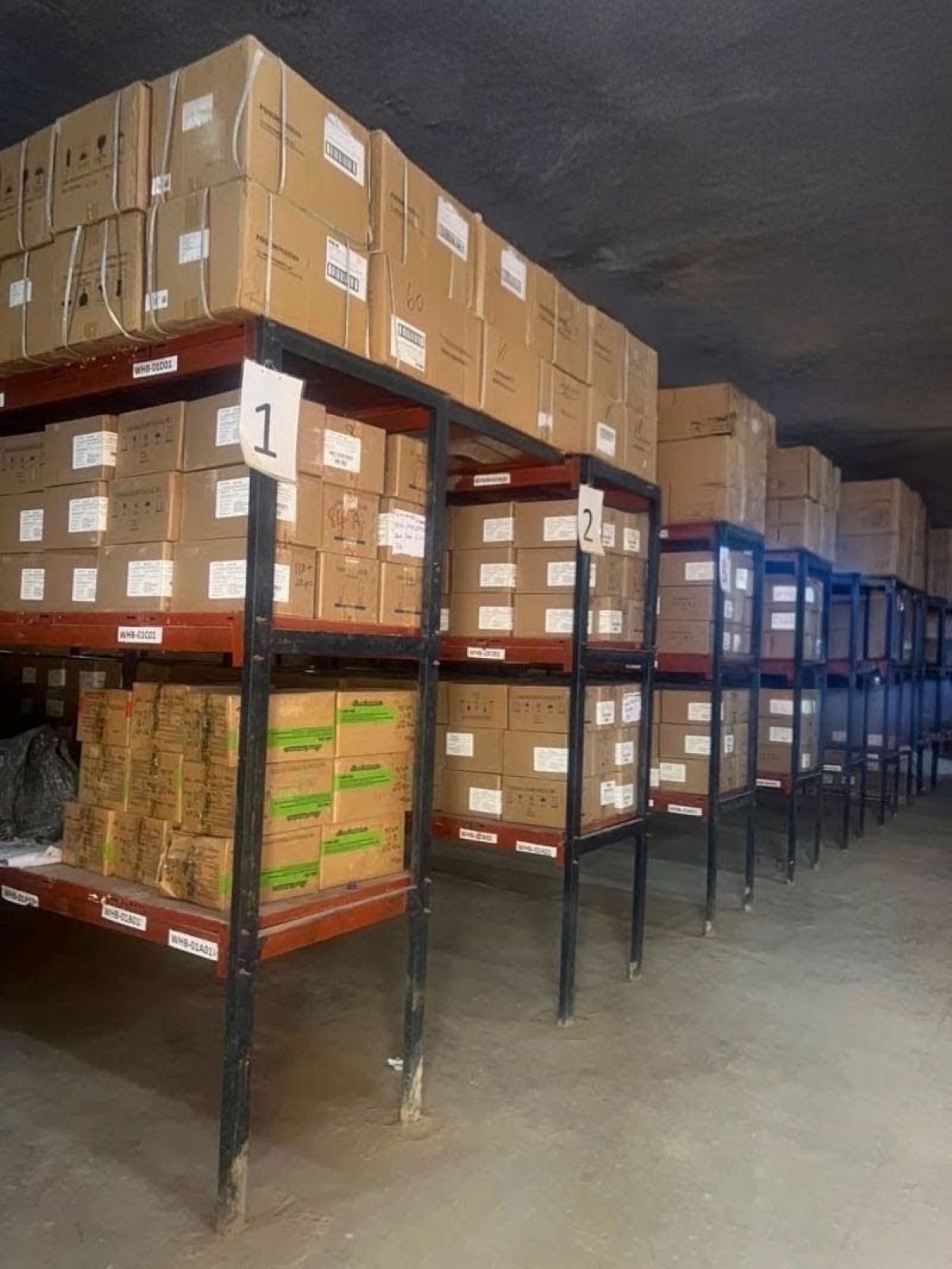
As part of the operational support provided during the quarter, about 3.4 million bottles of Azithromycin were received and cleared into the country, while three million bottles were transported from the Central Medical Store to the participating states for distribution.
 Trucks transporting Azithromycin to participating states under the SARMAAN Project in Q2 2026.
Photo: The SARMAAN Project
The project acknowledged the contribution of the Solina Centre for International Development and Research (SCIDaR), which worked alongside the Federal Ministry of Health and Social Welfare to coordinate medicine clearance and nationwide distribution logistics.
According to the update, efficient supply chain management and technical coordination remain critical to the success of large-scale public health programmes, ensuring that life-saving medicines reach communities on schedule.
The SARMAAN Project, implemented in collaboration with the Federal Ministry of Health and Social Welfare and other partners, is evaluating the impact of biannual mass administration of Azithromycin on child survival in selected Nigerian states.
The initiative is expected to generate evidence that could inform future child survival strategies in Nigeria and other countries facing high under-five mortality.
Project officials noted that behind every successful implementation round is a network of government institutions, researchers, logistics experts and development partners working together to strengthen Nigeria’s health system and improve access to essential health interventions.
Source: The SARMAAN Project
