

Two days ago, Ademola Akintunde James turned 69. Surrounded by his two sons, three grandchildren and close friends, he was full of gratitude to God for the gift of life. As one of his friends remarked while proposing a toast, just one more year and he would officially join the ranks of the “seventh-floor” generation—a true senior citizen.
Yet Akintunde was not entirely convinced. Was he really as old as everyone seemed to suggest?
On reflection, he admitted that some things had changed. The wrinkles on his face were more pronounced, and grey hair had become a permanent feature. Beyond that, however, he felt much the same. Mentally alert, emotionally stable and focused, he still saw himself as the man he had always been.
His health, too, was relatively stable. Living with diabetes and hypertension, he had learned over the years how to manage both conditions. His greatest concern was not the present but the future. How would he continue to cope in the years ahead?
The cost of medications and monitoring devices has risen sharply, placing them beyond the reach of many Nigerians. Specialist care from endocrinologists, cardiologists and other experts is increasingly difficult to access, especially for retirees living on limited incomes. Although general practitioners do their best, managing chronic conditions often requires specialist attention. The public hospital Akintunde attends is overcrowded, with long waiting times that can consume an entire day.
The challenges do not end there. Since retiring from a private company five years ago, Akintunde has depended largely on support from his children to meet his healthcare and daily living expenses. Fortunately, he no longer pays rent. His life savings and gratuity had gone into building a modest home years earlier. Yet as the birthday celebration continued around him, his thoughts drifted to the future and the uncertainties that often accompany growing older in Nigeria.
In many respects, Akintunde is among the fortunate ones.
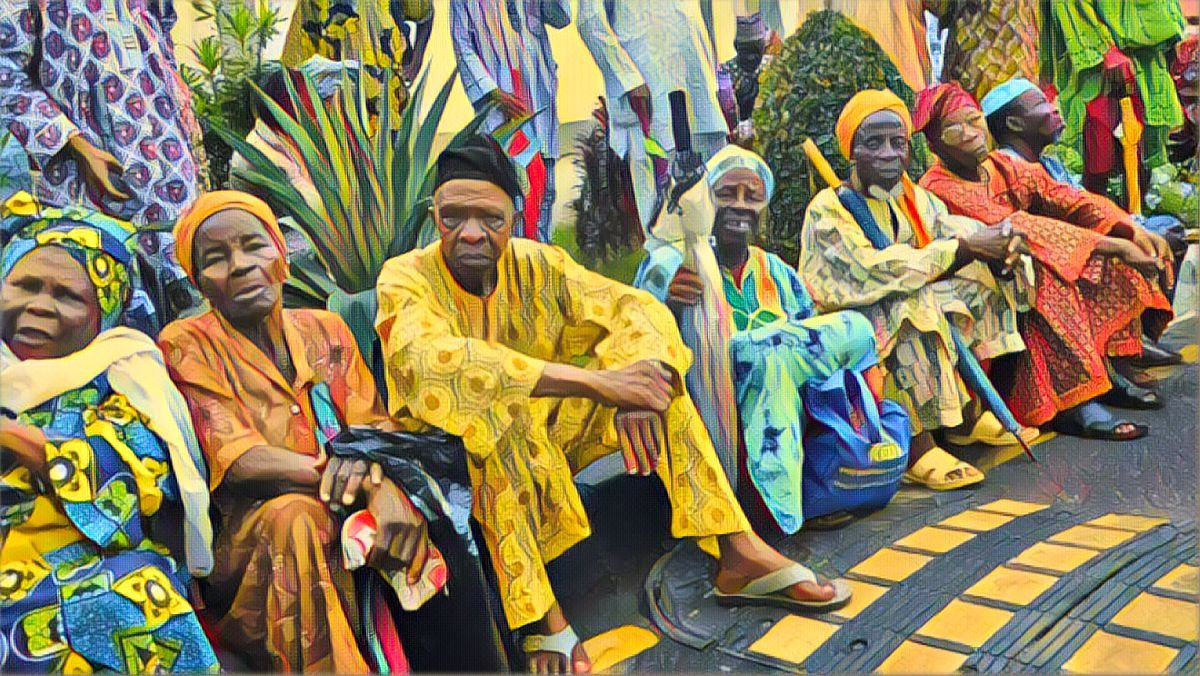
Millions of older Nigerians face far greater challenges, including poverty, inadequate healthcare, social isolation and limited access to social protection. Non-communicable diseases (NCDs) such as diabetes, hypertension, stroke, cardiovascular disease, arthritis and age-related sensory impairments are increasingly common among older persons and account for a growing burden of illness and death.
The World Health Organization (WHO) defines healthy ageing as the process of developing and maintaining the functional ability that enables well-being in older age. Achieving this goal, however, remains particularly challenging in Nigeria, where poverty, inadequate healthcare infrastructure and geographical barriers continue to limit access to essential services, especially in rural and underserved communities.
Recognising these challenges, the Federal Executive Council in 2021 approved the National Policy on Ageing for Older Persons in Nigeria. The policy envisions a society in which older persons enjoy security, independence, participation, comprehensive care, self-fulfilment and dignity.
It addresses a broad range of issues affecting older Nigerians, including those living in urban and rural communities, persons with disabilities, internally displaced persons, migrants, low-income seniors and active older adults who continue to contribute meaningfully to their families, communities and the nation’s development.
While the policy represents an important step forward, implementation has been slow and many of its promises have yet to translate into tangible benefits for older citizens.
This raises an important question: can Nigeria afford to ignore the needs of its ageing population?
According to World Bank estimates, Nigeria is home to more than seven million people aged 60 years and above—the largest population of older persons in Africa. As life expectancy improves and the population continues to grow, issues relating to ageing will become even more important for families, communities and policymakers.
That is why Healthy Ageing has been created.
This column aims to raise awareness about the realities, opportunities and challenges of ageing in Nigeria. It will provide practical information on healthy living, disease prevention, active ageing and longevity. It will also advocate greater policy attention to issues affecting older persons while serving as a platform for sharing the experiences, concerns and aspirations of older Nigerians.
Most importantly, this column is not only for senior citizens. Ageing is a lifelong process that begins much earlier than many people realise. Whether you are 30, 50 or 70, there will be something here for you.
I invite you to join me next week as we begin this important conversation on healthy ageing and the pursuit of a longer, healthier and more fulfilling life.
- The Healthy Ageing Project is a collaborative platform on healthy ageing and longevity, with Healhtimes Communications Nigeria Limited serving as the interim administrative host.
