
Mpox infection in pregnancy linked to high risk of fetal loss, study finds
Pregnant women infected with mpox face a significantly higher risk of miscarriage, stillbirth and neonatal complications, according to a major new study conducted in the Democratic Republic of Congo (DRC), raising fresh concerns over the impact of the virus on maternal and child health in Africa.
The research, published in The Lancet, found that more than half of pregnant women infected with the clade I strain of the mpox virus experienced adverse pregnancy outcomes, with fetal loss recorded in nearly half of the cases studied.
The findings are based on a pooled analysis of 89 pregnant women diagnosed with mpox across three provinces in the DRC between 2022 and 2025. Researchers tracked the women from diagnosis through delivery, providing one of the most comprehensive insights yet into how the virus affects pregnancy.
Of the 69 women whose pregnancy outcomes were known, 35 — representing 51 per cent — suffered complications, including miscarriages, stillbirths, or the birth of infected infants. In total, 31 cases of fetal loss were recorded.
Under-recognised risk
The study also documented cases of possible mother-to-child transmission, with some newborns presenting mpox-like skin lesions at birth. One affected infant died within hours.
Although no maternal deaths were reported, the researchers warned that the high rate of fetal complications signals a serious but under-recognised risk.
Particularly striking was the timing of infection. Women who contracted mpox in the first trimester were far more likely to lose their pregnancies compared to those infected later.
The study further identified several risk factors associated with poor outcomes, including high viral load, HIV co-infection, genital lesions, and exposure through sexual contact.
Mpox, a viral disease related to smallpox, has seen a resurgence in parts of Africa in recent years, with the DRC at the epicentre of ongoing outbreaks. While the disease is often described as self-limiting, the new findings suggest its impact during pregnancy may be far more severe.
Experts say the evidence strengthens concerns that mpox can be transmitted from mother to fetus — a phenomenon known as vertical transmission — potentially leading to severe complications or death.
Prioritising pregnant women for preventive measures
The researchers noted that the rate of fetal loss observed in the study — about 45 per cent — is substantially higher than typical background rates in sub-Saharan Africa, underscoring the likely role of the virus in driving these outcomes.
They called for urgent action, including prioritising pregnant women for preventive measures such as vaccination, improved clinical monitoring, and access to safe antiviral treatments.
“Mpox acquired during pregnancy should be regarded as a congenital infection risk,” the authors said, warning that more long-term studies are needed to understand the full impact on surviving infants.
Despite the severity of pregnancy-related complications, the study found no evidence that mpox significantly increases the risk of death among pregnant women themselves.
However, with outbreaks continuing and surveillance still limited in many parts of Africa, public health experts say the findings highlight a critical gap in preparedness.
The researchers urged governments and global health agencies to integrate maternal health considerations into mpox response strategies, particularly in endemic regions.
About author

You might also like

Making Nigeria defecation-free to curb NTDs
According to statiscts from UNICEF, No fewer than 46 million Nigerians practice open defecation, ranking the country as third globally among countries with such practices. Also, it is reported that
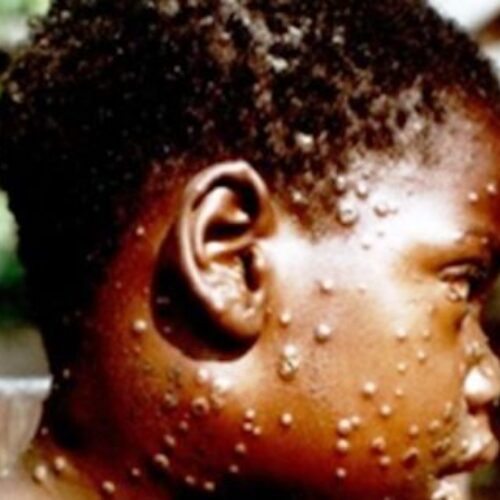
Monkeypox: Signs and Symptoms
Monkeypox is a rare disease caused by infection with the monkeypox virus. Monkeypox virus is part of the same family of viruses as variola. It is now being
Raising the Bar on Pharmaceutical Care Quality Quality: The -Strategic Role of Consultant Pharmacists
By Prof. Lere Baale President, Nigeria Academy of Pharmacy As healthcare systems across the globe grapple with rising costs, complex patient profiles, increasing chronic disease burdens, and critical workforce shortages,

0 Comments
No Comments Yet!
You can be first to comment this post!