
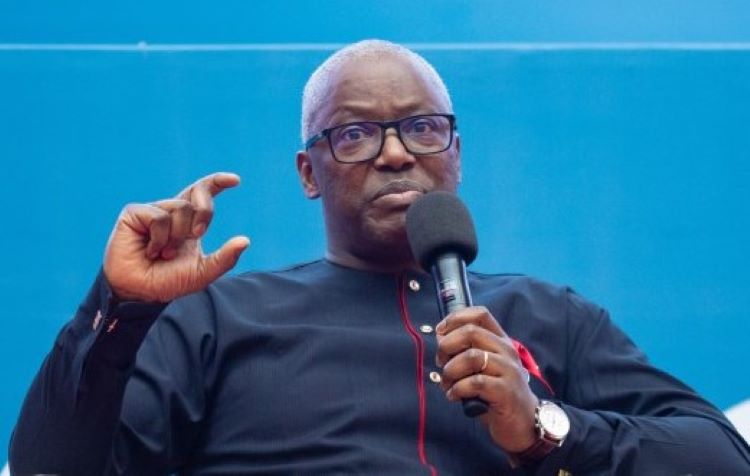
Geneva Learning Foundation, RBM Partnership in new collaboration to end malaria
-
Initiate ‘Teach to Reach’ partnership to engage community-based health workers
The Geneva Learning Foundation (TGLF) has announced a new collaboration with RBM Partnership to End Malaria (RBM), focusing on integrating insights from community-based health workers into the global effort to eliminate malaria.
Malaria continues to be a significant global health issue, particularly affecting communities in Africa and Asia. While progress has been made, the journey towards elimination is still fraught with challenges, as health systems remain under strain.
The partnership, according to a statement from RBM, would prioritize on gathering and amplifying the voices of local health workers who are actively engaged in assessing the various factors influencing malaria transmission and response within their communities.
“Through TGLF’s flagship initiative, Teach to Reach, the partnership will engage with community-based health workers, offering a platform to share real-world insights and best practices for combating malaria. As part of this peer-learning network of over 60,000 health professionals across more than 80 countries—80% of whom work at the district and facility level—RBM aims to ensure that malaria control efforts are shaped by those who understand the challenges firsthand.
“Teach to Reach 11, set for December 5-6, 2024, will shine a spotlight on local health workers operating in regions where malaria transmission is most intense. The insights gathered in the lead-up to the event will inform the agenda as well as the focus of a Malaria Special Event set for December 10, 2024 – helping to ensure that global malaria elimination strategies are responsive to the realities on the ground and reflect the experiences of those on the frontlines,” the statement further read.
Michael Adelunle Charles, CEO of RBM Partnership to End Malaria emphasized:
“To end malaria, we must empower the people closest to the problem—health workers in affected communities. This partnership with TGLF allows us to listen to and learn from those on the frontlines of malaria control, ensuring that their voices drive our global strategies and actions toward elimination.”
Reda Sadki, Executive Director of The Geneva Learning Foundation added:
“We need new ways to learn and lead. Health worker leadership is critical to an integrated view of malaria response by and for local communities. By working directly with national malaria programs and country teams that are part of the RBM Partnership to End Malaria, we can help ensure that health workers’ knowledge and leadership shape effective, equitable, and locally-led action to eliminate this disease.”
About author

You might also like
Climate change will increase malnutrition unless…
Health care specialist, Peter Omoragbon, has warned that Nigeria may begin to record more cases of malnutrition due to reduced food production arising from extreme climate events such as floods,
Ebola: WHO calls for protection of humanitarian workers, Civilians in Congo DRC
Amidst statistics showing that Ebola has claimed no fewer than 101 lives, with 151 people affected, as at September 25 the World Health Organisation (WHO) has called for the protection

Make Health services accessible to all – ‘Save The Children’ tells Nigeria
Nigeria joined the rest of the world yesterday to mark the Universal Health Coverage (UHC) with a call by the Save the Children International, a global charity organization, on governments

0 Comments
No Comments Yet!
You can be first to comment this post!