
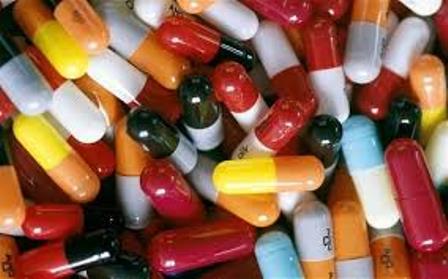
The world is running out of antibiotics – WHO raises alarm
A report, Antibacterial agents in clinical development – an analysis of the antibacterial clinical development pipeline, including tuberculosis , launched today by the World Health Organisation (WHO) has revealed a gross shortage of new antibiotics under development to combat the growing threat of antimicrobial resistance.
According to the report, most of the drugs currently in the clinical pipeline are modifications of existing classes of antibiotics and are only short-term solutions. It found very few potential treatment options for those antibiotic-resistant infections identified by WHO as posing the greatest threat to health, including drug-resistant tuberculosis which kills around 250 000 people each year.
“Antimicrobial resistance is a global health emergency that will seriously jeopardize progress in modern medicine,” says Dr Tedros Adhanom Ghebreyesus, Director-General of WHO. “There is an urgent need for more investment in research and development for antibiotic-resistant infections including TB, otherwise we will be forced back to a time when people feared common infections and risked their lives from minor surgery.”
In addition to multidrug-resistant tuberculosis, WHO has identified 12 classes of priority pathogens – some of them causing common infections such as pneumonia or urinary tract infections – that are increasingly resistant to existing antibiotics and urgently in need of new treatments.
The report identifies 51 new antibiotics and biologicals in clinical development to treat priority antibiotic-resistant pathogens, as well as tuberculosis and the sometimes deadly diarrhoeal infection Clostridium difficile.
Among all these candidate medicines, however, only 8 are classed by WHO as innovative treatments that will add value to the current antibiotic treatment arsenal.
There is a serious lack of treatment options for multidrug- and extensively drug-resistant M. tuberculosis and gram-negative pathogens, including Acinetobacter and Enterobacteriaceae (such as Klebsiella and E.coli ) which can cause severe and often deadly infections that pose a particular threat in hospitals and nursing homes.
There are also very few oral antibiotics in the pipeline, yet these are essential formulations for treating infections outside hospitals or in resource-limited settings.
“Pharmaceutical companies and researchers must urgently focus on new antibiotics against certain types of extremely serious infections that can kill patients in a matter of days because we have no line of defence,” says Dr Suzanne Hill, Director of the Department of Essential Medicines at WHO.
To counter this threat, WHO and the Drugs for Neglected Diseases Initiative (DNDi) set up the Global Antibiotic Research and Development Partnership (known as GARDP). On 4 September 2017, Germany, Luxembourg, the Netherlands, South Africa, Switzerland and the United Kingdom of Great Britain and Northern Ireland and the Wellcome Trust pledged more than €56 million for this work.
“Research for tuberculosis is seriously underfunded, with only two new antibiotics for treatment of drug-resistant tuberculosis having reached the market in over 70 years,” says Dr Mario Raviglione, Director of the WHO Global Tuberculosis Programme.
“If we are to end tuberculosis, more than US$ 800 million per year is urgently needed to fund research for new antituberculosis
medicines”.
New treatments alone, however, will not be sufficient to combat the threat of antimicrobial resistance. WHO works with countries and partners to improve infection prevention and control and to foster appropriate use of existing and future antibiotics. WHO is also developing guidance for the responsible use of antibiotics in the human, animal and agricultural sectors.
About author

You might also like

U-5 death rate drops by 53% – WHO/UNICEF
…however, 16,000 children still die daily Globally, under-5 death have dropped by 53 per cent, however, about 16,000 children still die every day before their fifth birthday, says a new
Nigeria records second lowest COVID-19 figure since June
290 new cases, 5 deaths Nigeria on Monday recorded 290 new cases of COVID-19, the second lowest daily figure since June 8. Five deaths were recorded in the last 24 hours,

FG donates 149-bed specialist hospital for mothers, children to Lagos state
To be unveiled by First Lady on Thursday The First Lady of the Federal Republic of Nigeria, Aisha Buhari and the Lagos State Governor, Babajide Sanwo-Olu will on Thursday unveil

0 Comments
No Comments Yet!
You can be first to comment this post!