
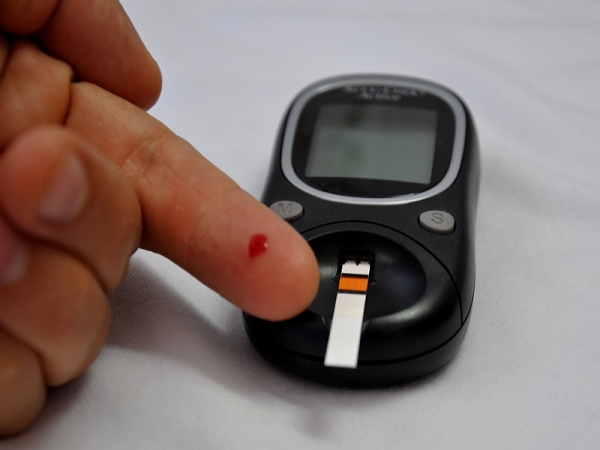
10 Facts about diabetes
[vc_row][vc_column][vc_column_text]
Diabetes
- About 347 million people worldwide have diabetes
There is an emerging global epidemic of diabetes that can be traced back to rapid increases in overweight, including obesity and physical inactivity.
- Diabetes is predicted to become the 7th leading cause of death in the world by the year 2030
Total deaths from diabetes are projected to rise by more than 50% in the next 10 years.
- There are two major forms of diabetes
Type 1 diabetes is characterized by a lack of insulin production and type 2 diabetes results from the body’s ineffective use of insulin.
- A third type of diabetes is gestational diabetes
This type is characterized by hyperglycaemia, or raised blood sugar, with values above normal but below those diagnostic of diabetes, occurring during pregnancy. Women with gestational diabetes are at an increased risk of complications during pregnancy and at delivery. They are also at increased risk of type 2 diabetes in the future
- Type 2 diabetes is much more common than type 1 diabetes
Type 2 accounts for around 90% of all diabetes worldwide. Reports of type 2 diabetes in children – previously rare – have increased worldwide. In some countries, it accounts for almost half of newly diagnosed cases in children and adolescents.
- Cardiovascular disease is responsible for between 50% and 80% of deaths in people with diabetes
Diabetes has become one of the major causes of premature illness and death in most countries, mainly through the increased risk of cardiovascular disease (CVD)
- In 2012 diabetes was the direct cause of 1.5 million deaths.
- 80% of diabetes deaths occur in low- and middle-income countries
In developed countries most people with diabetes are above the age of retirement, whereas in developing countries those most frequently affected are aged between 35 and 64.
- Diabetes is a leading cause of blindness, amputation and kidney failure
Lack of awareness about diabetes, combined with insufficient access to health services and essential medicines, can lead to complications such as blindness, amputation and kidney failure.
- Type 2 diabetes can be prevented
Thirty minutes of moderate-intensity physical activity on most days and a healthy diet can drastically reduce the risk of developing type 2 diabetes. Type 1 diabetes cannot be prevented.
Courtesy: WHO
[/vc_column_text][/vc_column][/vc_row]
About author

You might also like

WHO prioritizes access to diabetes, cancer treatments in new Essential Medicines Lists
Says high prices and low availability still a major barrier for patients’ access to new and old medicines World Health Organisation
Merck, UNESCO to Build Research Capacity in Africa
Merck, a leading science and technology company, today launched, in partnership with United Nations Educational, Scientific and Cultural Organization (UNESCO), the first edition of the UNESCO-Merck Africa Research Summit, to


cigarettes, alcohol to cost more from today
From today, the new amendment to the excise duty rates for alcoholic beverages and tobacco comes into effect. The president is expected to sign the new amendment today, setting the

0 Comments
No Comments Yet!
You can be first to comment this post!