
cicirculating vaccine-derived poliovirus confirmed in Ukraine
…emergency outbreak response planned
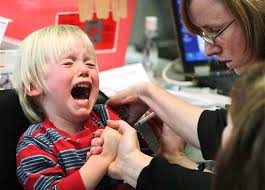
Two cases of circulating vaccine-derived poliovirus type 1 (cVDPV1) have been confirmed in Ukraine, the Global Polio Eradication Initiative (GPEI) has reported. The genetic similarity between the cases, with dates of onset of paralysis of 30 June and 7 July 2015, indicates active transmission of cVDPV1. Both are from the Zakarpatskaya oblast, in south-western Ukraine, bordering Romania, Hungary, Slovakia and Poland. One child was 4 years old and the other 10 months old at the time of onset of paralysis.
According to GPEI, Ukraine had been at particular risk of emergence of a cVDPV, due to inadequate vaccination coverage. In 2014, only 50% of children were fully immunized against polio and other vaccine-preventable diseases.
The organisation disclosed that discussions are currently ongoing with national health authorities to plan and implement an urgent outbreak response.
“An outbreak response of internationally-agreed standard, as adopted by the World Health Assembly in May 2015, requires a minimum of three large-scale supplementary immunization activities with an appropriate oral polio vaccine, to begin within two weeks of confirmation of the outbreak and covering a target population of 2 million children aged less than five years, and the public declaration of the outbreak as a national public health emergency.”
According to GPEI, circulating VDPVs are rare but well-documented strains of poliovirus that can emerge in some populations which are inadequately immunized. A robust outbreak response can rapidly stop such events. The emergence of cVDPV strains underscores the importance of maintaining high levels of routine vaccination coverage.
“It is important that all countries, in particular those with frequent travel and contacts with polio-affected countries and areas, strengthen surveillance for AFP cases in order to rapidly detect any new virus importation or emergence and to facilitate a rapid response. Countries should also maintain uniformly high routine immunization coverage at the district level to minimize the consequences of any new virus introduction.
“WHO’s International Travel and Health recommends that all travelers to polio-affected areas be fully vaccinated against polio. Residents (and visitors for more than 4 weeks) from infected areas should receive an additional dose of OPV or inactivated polio vaccine (IPV) within 4 weeks to 12 months of travel,” GPEI urges
About author

You might also like
Analgesics and your kidney: Facts to know
Many analgesics should not be used if there is decreased kidney function, because they reduce the blood flow to the kidney. Also,

There’s significant reduction in malaria menace in Nigeria – MSN President
The malaria Society of Nigeria (MSN) took the campaign against the disease to a rural riverine community of Badagry, Lagos State, as part of its activities to commemorate the 2017

Lagos to deploy new tool to combat malaria
partners firm to implement rollback malaria strategies Lagos State Government has pledged to scale up innovation and deploy new tools to combat Malaria, just as it restated its commitment

0 Comments
No Comments Yet!
You can be first to comment this post!