
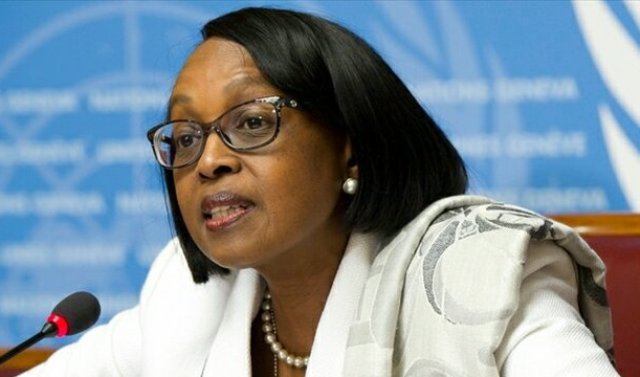

As the world marks the International women’s Day today, the WHO Regional Director for Africa Dr. Matshidiso Moeti said the increasing incidence of extreme weather conditions is impacting negatively on the health of women and girls.
In a message to mark this year’s event themed: “Gender equality today for a sustainable tomorrow”, Dr. Moeti urged stakeholders and citizens to support country-driven and gender-sensitive approaches aimed at mitigating the impacts of climate change, especially on vulnerable women and girls.
She lamented that women and girls, especially those living in rural, poor and remote vulnerable areas in low- and middle-income countries, including Small Island Developing States, are more susceptible to changing climatic conditions.
“Due to their gender, they bear a disproportionate burden of the effects of climate change in their social and reproductive roles.
“In Africa, increasing incidence of extreme weather conditions means women and girls devote time that could be better spent on productive ventures catering to the basic needs of their families. This includes provision of water, food, and fuel for lighting, heating and cooking.
“Such extreme events also have direct and indirect health repercussions for women and girls, including the interruption of health services. Emerging evidence suggests that air pollution and heat contribute to poor reproductive health outcomes, due to their impacts on cellular physiology and organ response. Potential consequences include infertility, intrauterine growth retardation, low birth weight, perinatal mortality, pre-term delivery and associated pregnancy complications. Disruptions due to drought, floods, conflicts over natural resources and forced migration are an added concern.
“Indirectly, environmental degradation and changing climate patterns raise the risk for the emergence and re-emergence of diseases such as Dengue fever, Chikugunya and the Zika viruses, and for exacerbating the spread of water- and vector-borne diseases such as malaria, cholera and schistosomiasis – all of which disproportionately affect children and women, especially pregnant women.
“Inadequate access to water can impede agricultural production, with significant potential risks for food security and consequent nutritional deficiencies and anaemia among women and girls, because of their unique nutritional needs.
“Women and girls are also at higher risk for sexual violence, sexual exploitation, abuse, trafficking and intimate partner violence, along with psychological stress, anxiety and depression in response to displacements as a result of climate change events.”
To address the challenges, Dr. Moeti called for a gender-responsive action “with equitable development that recognizes and addresses the particular vulnerability of women and girls to the consequences of climate change.”
This, she said, would require innovative thinking and a more holistic, population-based public health approach, adding that WHO, is providing guidance and technical support to governments to ensure that health and environmental responses, including climate change strategies, are integrated, equitable and just.
She also emphasized the need to harness the power of women to effect change at community level, and in the development of policy instruments and national climate response plans.
“Women’s organizations must be prioritized to receive the necessary financial and technological support to make a meaningful contribution to addressing the threat, while access to land for women farmers should be assured to build food security and equitable land ownership,” she said.
