
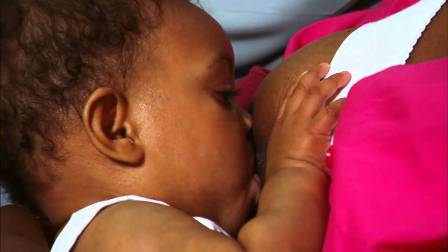


… and end inappropriate marketing of breast-milk substitutes

The United Nations human rights experts have urged countries to do more to protect, promote and support breastfeeding as a human right, including ending the inappropriate marketing of breast-milk substitutes and other foods intended for infants and young children.
The joint statement was issued by the UN Special Rapporteurs on the Right to Food and the Right to Health, the UN Working Group on Discrimination against Women in Law and in Practice, and the UN Committee on the Rights of the Child.
Citing new evidence published in the Lancet earlier this year, the experts emphasized the importance and many benefits of breastfeeding for both the mother and her child. They expressed concern about the lack of progress made in improving breastfeeding rates globally and in providing women and their children with the support and protection they are entitled to.
The experts voiced particular concern about the continued misleading marketing of breast milk substitutes and other foods intended for infants and young children. They pointed out that there is little corporate accountability for the adverse consequences of such marketing practices, which, the experts said, continue to undermine efforts to improve early and exclusive breastfeeding rates. Marketing practices act as barriers for women to exercise their rights, as they often negatively affect the choice and ability of mothers to enjoy the many health benefits breastfeeding provides.
The experts welcomed renewed global efforts to protect and support breastfeeding and to reduce the inappropriate marketing of commercially prepared foods for infants and young children.
However, they urged governments to do more, and emphasized that breastfeeding is a human rights issue for babies and mothers, and should be protected and promoted for the benefit of both.
To this end, the experts called upon governments to recognize their core obligations under the Convention on the Rights of the Child and other relevant UN human rights treaties to respect, protect and fulfil children’s right to life, survival and development; their right to safe and nutritious foods, and their right to the enjoyment of the highest attainable standard of health; and to ensure that women’s rights are protected from harmful interference by non-State actors, in particular the business sector.
Governments were urged to act upon their obligations and take all necessary measures to protect, promote, and support breastfeeding, and end the inappropriate promotion of breast-milk substitutes and other foods intended for infants and young children up to the age of 3 years. These measures include the adoption and enforcement of comprehensive legislation to end inappropriate marketing practices, provide adequate maternity protection, and protect women from discrimination linked to breastfeeding.
