
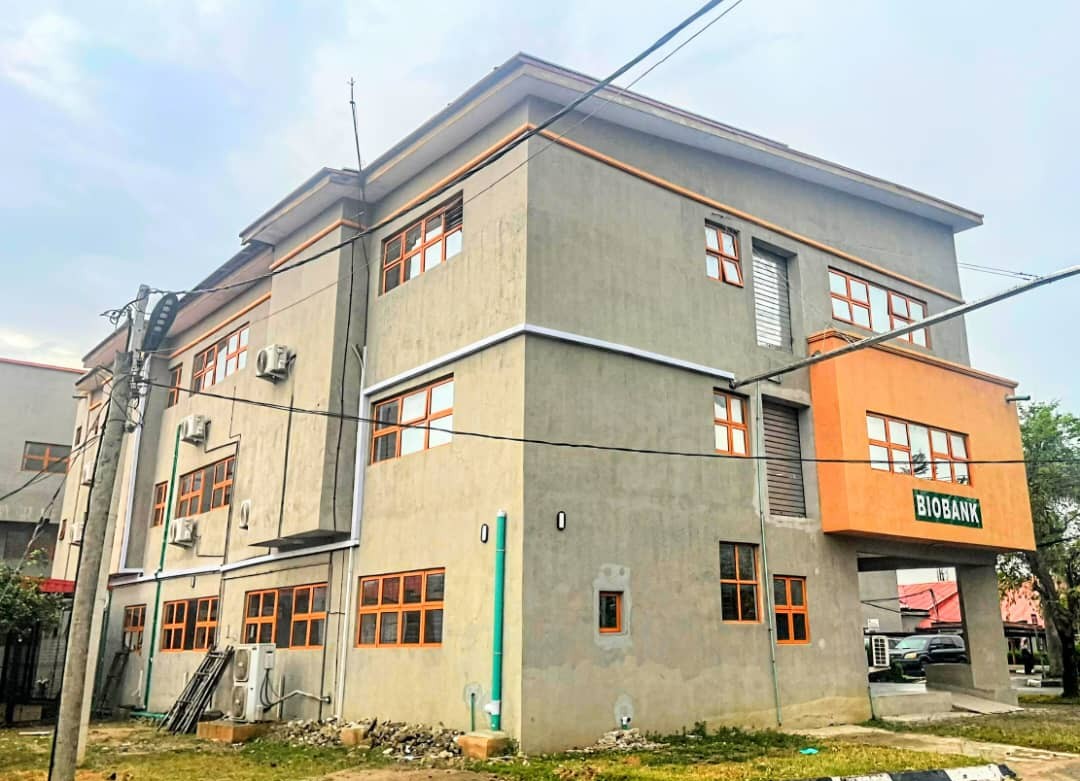

Institute holds more than 460,000 biological samples for future research
The Nigerian Institute of Medical Research (NIMR) is strengthening its biobanking system and working towards international accreditation of its Biobank as part of efforts to preserve valuable biological samples for future medical research and scientific discoveries.
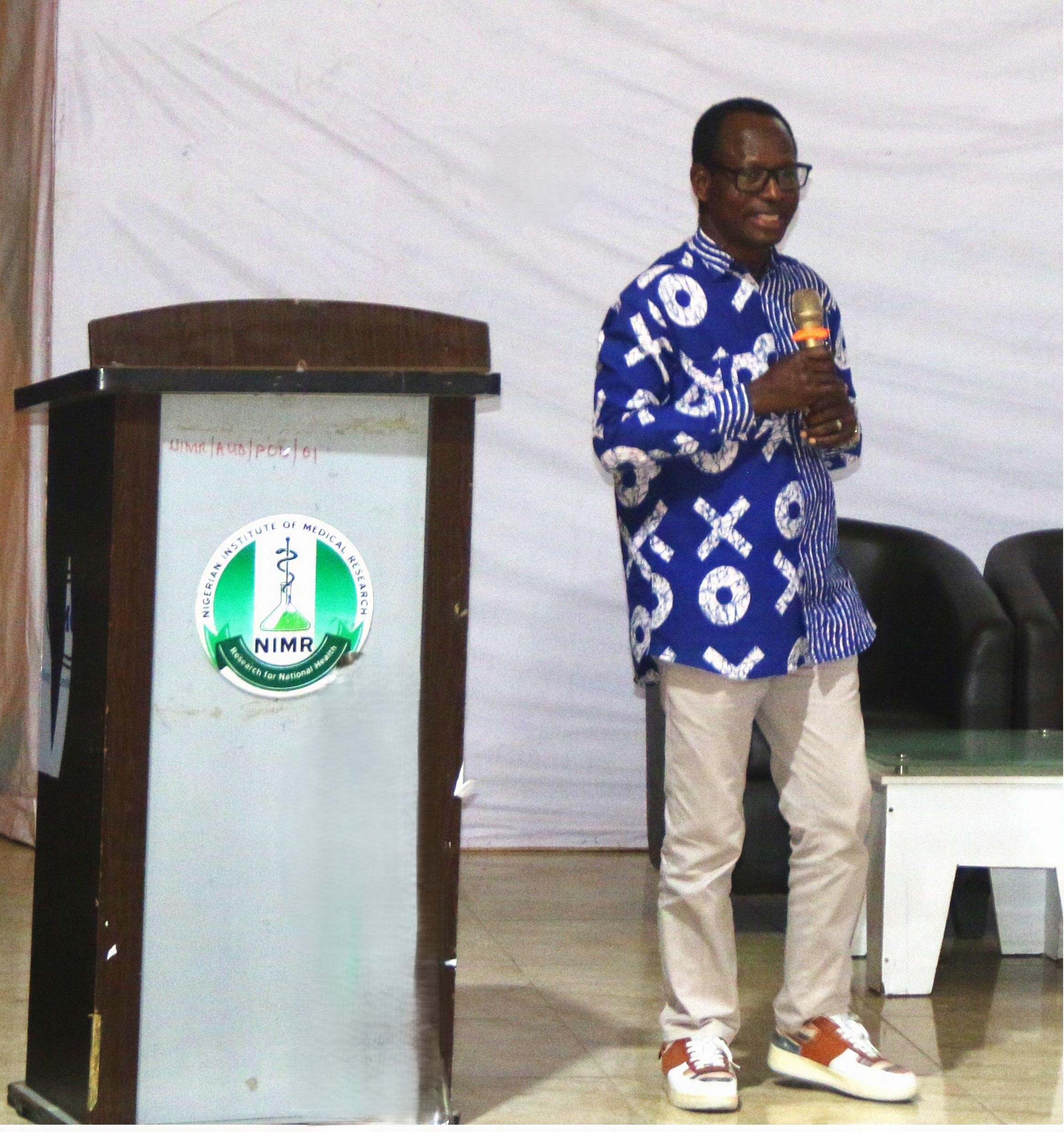
The move was highlighted at the Institute’s monthly scientific seminar in Lagos, where Dr Toyosi Raheem, Chief Research Fellow and Manager of the NIMR Biobank, presented a paper titled “Biopreservation and Biobanking in NIMR: Prospects and Challenges.”
Dr Raheem explained that biobanking is critical to modern medical research because biological samples properly collected, documented and preserved today can remain useful for decades and may provide answers to scientific questions that cannot yet be addressed with current technologies.
He cited the historical example of specimens associated with the early description of Hodgkin’s lymphoma, which were preserved and examined again more than 90 years later as advances in microscopy, immunology and molecular science made it possible to obtain additional information from the old samples.
The example, he said, demonstrated the importance of preserving biological materials properly because scientific advances could enable researchers in the future to extract information from samples that may not be possible to obtain today.
More than 460,000 samples preserved
Dr Raheem disclosed that the NIMR Biobank, established around 2023, currently holds more than 460,000 samples dating from 2023.
He said the facility already has a governance structure, including a management committee, but an ongoing review has identified challenges involving incomplete consent documentation and the availability and suitability of some samples.
The Institute is therefore conducting an inventory and documentation exercise to determine the status and suitability of samples in its custody.
Dr Raheem stressed that samples intended for long-term preservation must be properly documented and suitable for future research, noting that keeping materials that are no longer viable or properly characterised would amount to a waste of resources.
He explained that biobanking involved much more than simply putting biological materials into freezers.
“Biobanking is significantly different from biorepository,” he said, explaining that a proper biobank requires stronger systems for governance, ethical oversight, documentation, traceability, preservation and controlled access to samples.
Such systems, he added, ensure that researchers can reliably identify, locate and use appropriately characterised samples for different studies.
Preserving samples at minus 80°C
The NIMR Biobank currently uses ultra-low-temperature freezers operating at minus 80 degrees Celsius to preserve biological samples and minimise processes that could damage important biological components.
The approach helps to maintain the integrity of materials such as DNA, RNA and plasma for future research.
Dr Raheem said the Institute also plans to introduce liquid-nitrogen storage, which operates at approximately minus 196 degrees Celsius, as part of its long-term plan to expand its preservation capacity.
He noted that properly preserved biological samples could support a wide range of research activities, including genomic studies, development and validation of diagnostic tools, pharmaceutical research and the development of new therapeutics.
Infrastructure and funding challenges
Despite the potential of the Biobank, Dr Raheem identified the high cost of electricity and the maintenance of ultra-low-temperature freezers and other specialised equipment as major challenges.
Reliable power supply is particularly important because failure of ultra-low-temperature storage systems could compromise valuable biological materials accumulated over years of research.
He therefore called for increased investment in infrastructure, equipment maintenance, human resources and staff capacity development.
He also recommended strengthening freezer mapping and digital specimen-tracking systems, including the use of QR codes and barcodes to enable researchers to identify samples quickly and retrieve their associated information.
NIMR targets international accreditation
A major recommendation from the seminar was for NIMR to work towards accreditation of its Biobank un der the relevant international biobanking standard.
According to Dr Raheem, accreditation would help strengthen confidence in the facility and position it to meet internationally recognised requirements for quality, governance and management of biological samples.
He also urged researchers across NIMR to recognise their role in building a useful and sustainable biobank by ensuring that samples submitted for preservation are properly documented, characterised and suitable for long-term storage.
“Researchers that are in need of well-characterised samples are more likely to utilise the Biobank,” he said, noting that properly characterised specimens could also strengthen opportunities for collaboration with pharmaceutical companies, universities and other research institutions.
He said growing interest from universities, pharmaceutical companies and other organisations seeking to collaborate with or access the Biobank presented an important opportunity for NIMR.
The Biobank has also introduced multiple levels of data backup, with information stored on its internal system, an external hard drive and Microsoft 365 cloud storage to minimise the risk of data loss.
Dr Raheem said NIMR had considerable strengths for developing a robust biobanking system, including its pool of researchers, diverse research programmes and access to biological materials generated through its research activities.
He expressed confidence that, with sustained institutional commitment and investment, NIMR could develop a modern biobanking system capable of supporting research and development in Nigeria and beyond.
