
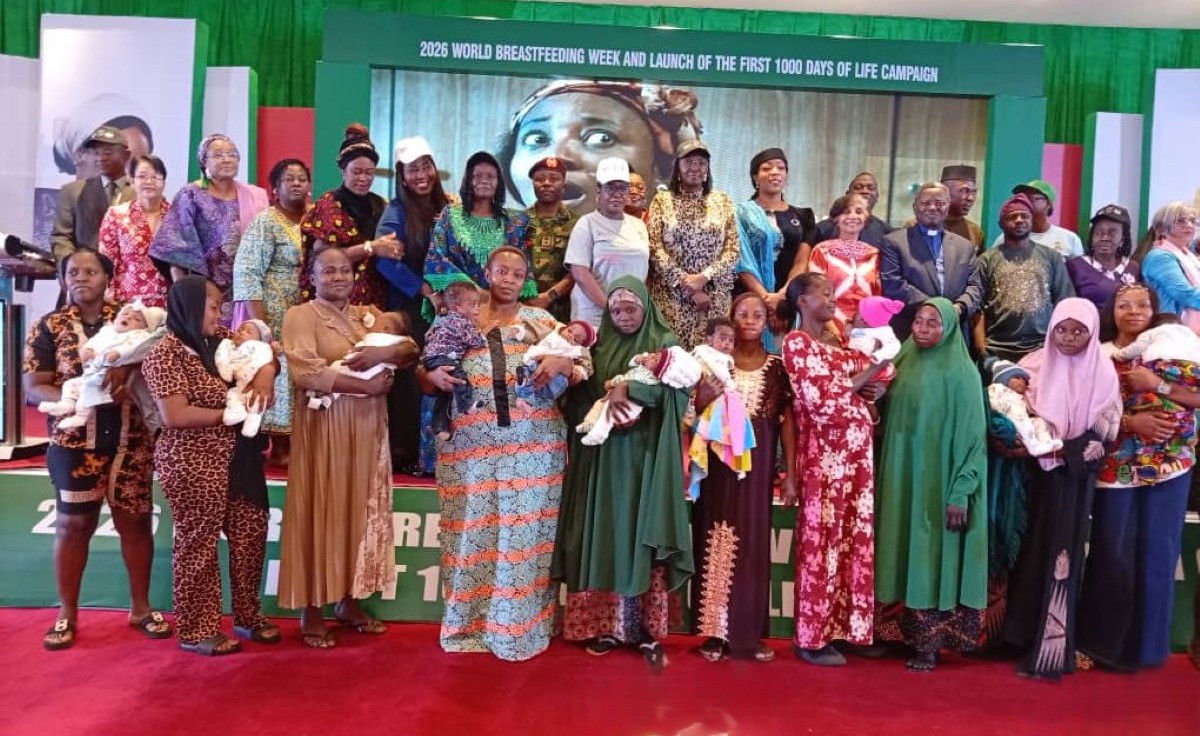

Government launches 1,000 Days campaign, calls for stronger support for breastfeeding mothers
The Federal Government has raised concern over the low rate of exclusive breastfeeding in Nigeria, saying only 29 per cent of infants are exclusively breastfed for the first six months of life despite the fact that about 95 per cent of Nigerian mothers initiate breastfeeding.
The government disclosed this as Nigeria joined the rest of the world to mark the 2026 World Breastfeeding Week, held from August 1 to 7, under the theme, “Breastfeeding for a Sustainable Start in Life: Strengthen What Works.”
Speaking at the national commemoration and launch of the 1,000 Days of Life Social and Behaviour Change Campaign in Abuja on August 3, the Permanent Secretary, Federal Ministry of Health and Social Welfare, Daju Kachollom, described breastfeeding as one of the most effective, life-saving and cost-effective interventions for child survival and development.
According to her, the 2023/2024 Nigeria Demographic and Health Survey showed that only 36 per cent of newborns are breastfed within the first hour of birth, while just 29 per cent are exclusively breastfed for the first six months. Only 23 per cent of children continue breastfeeding up to 24 months.
Kachollom said the figures underscored the need for renewed commitment and accelerated action to protect, promote and support optimal breastfeeding practices across the country.
She reaffirmed the Federal Government’s support for the World Health Organisation and UNICEF recommendations that mothers should initiate breastfeeding within one hour of birth, exclusively breastfeed for the first six months, and continue breastfeeding alongside appropriate complementary feeding up to two years and beyond.
The Permanent Secretary identified several barriers to optimal breastfeeding, including delayed initiation, harmful cultural beliefs, inadequate counselling, limited workplace support, aggressive marketing of breastmilk substitutes and insufficient community participation.
She said overcoming the challenges would require collective action involving government, healthcare workers, employers, development partners, communities and families.
As part of efforts to close the gaps, Kachollom said the government was strengthening the National Maternal, Infant and Young Child Nutrition Strategy, expanding Baby-Friendly Hospital and Community Initiatives, building the capacity of health workers and enforcing the International Code of Marketing of Breast-milk Substitutes.
Other measures, she said, included promoting breastfeeding-friendly workplaces, supporting community breastfeeding groups and increasing public awareness through sustained advocacy.
Focus on first 1,000 days
The Federal Government also used the occasion to launch the 1,000 Days of Life Social and Behaviour Change Campaign, aimed at improving knowledge and encouraging evidence-based nutrition practices from pregnancy through infancy and early childhood.
Kachollom said the first 1,000 days—from conception to a child’s second birthday—represented the most critical period for physical growth, brain development and lifelong health.
Poor nutrition during this period, she warned, could have irreversible consequences, including stunting, impaired cognitive development, weakened immunity and reduced productivity later in life.
The campaign will promote improved maternal nutrition, early initiation and exclusive breastfeeding, timely complementary feeding, continued breastfeeding and stronger community ownership of optimal nutrition practices.
The Permanent Secretary urged pregnant women and nursing mothers to make use of Primary Health Care Centres for antenatal care, safe delivery, postnatal care, immunisation and nutrition services.
‘Breastfeeding is a national investment’
Also speaking through her Senior Special Assistant on Public Health, Uju Rochas-Anwukah, Vice President Kashim Shettima described breastfeeding as “the single most powerful public health intervention available to any nation on earth.”
She said the Vice President had directed that breastfeeding be treated not merely as a maternal choice but as a national investment, particularly given that only 29 per cent of Nigerian infants are exclusively breastfed for their first six months.
Rochas-Anwukah said the 1,000 Days of Life campaign should go beyond Abuja and reach the 774 local government areas, wards, primary healthcare centres and households across Nigeria.
WHO, UNICEF call for stronger support
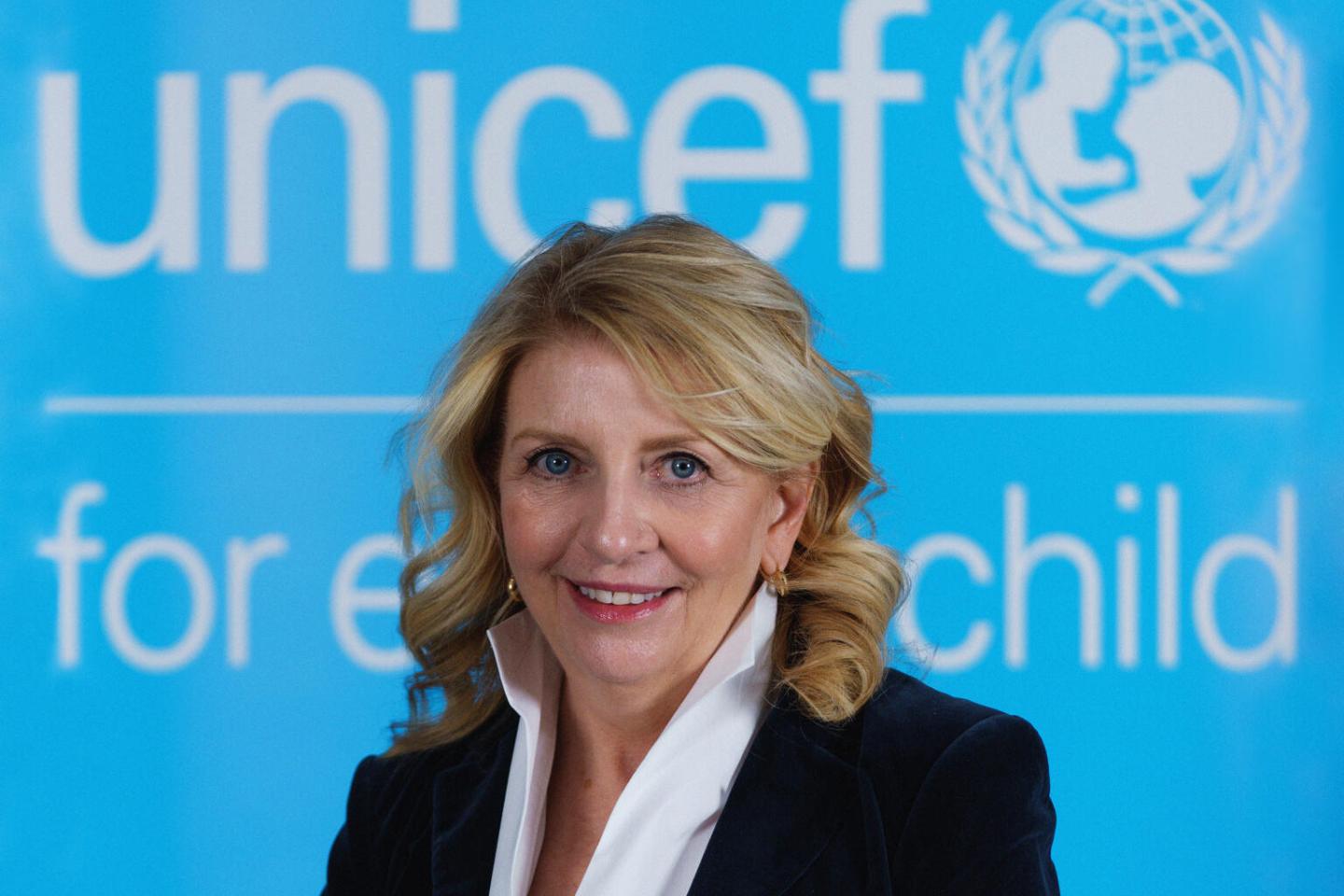
The call for increased investment in breastfeeding was echoed globally by WHO and UNICEF.
In a joint statement, WHO Director-General Dr Tedros Adhanom Ghebreyesus and UNICEF Executive Director Catherine Russell said too many mothers and families still lacked access to the services and interventions needed to support breastfeeding.
They noted that exclusive breastfeeding globally had increased from about 37 per cent in 2012 to more than 47 per cent, while breastfeeding up to two years had risen from 38 per cent to 50 per cent over the past five years.
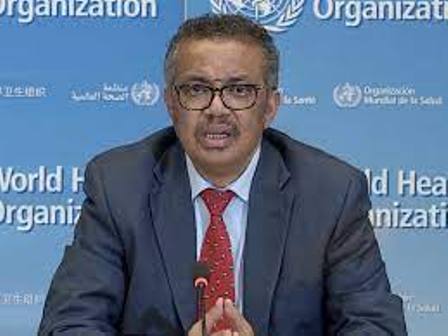
Director General, WHO
However, they said progress remained uneven, with many countries still lagging behind global targets.
WHO and UNICEF identified skilled breastfeeding support within health systems, community-based counselling, maternity protection policies and protection from exploitative marketing of commercial milk formulas as cost-effective interventions.
The two organisations said scaling up breastfeeding could prevent almost 400,000 child deaths and about 140,000 maternal deaths each year.
They further estimated that every US$1 invested in breastfeeding promotion generates about US$59 in economic returns, through reduced healthcare costs, improved cognitive development, higher educational attainment and increased lifetime earnings.
They called on countries to strengthen health systems to provide quality breastfeeding support, expand community counselling and peer programmes, enforce the International Code of Marketing of Breast-milk Substitutes, invest in paid maternity leave and supportive workplace policies, and integrate breastfeeding interventions into antenatal, perinatal and postnatal services.
They also urged governments to sustain breastfeeding support in humanitarian and fragile settings.
The organisations said: “By investing in proven solutions, we can give every child the best possible start in life and ensure every mother gets the care and services she needs.”
