


- Researcher urges sustained ITN coverage, climate-informed interventions
The Nigerian Institute of Medical Research (NIMR) has raised fresh concerns over a possible resurgence of malaria in Nigeria, warning that gains recorded in recent years could be reversed if the use of insecticide-treated nets (ITNs) is not sustained.
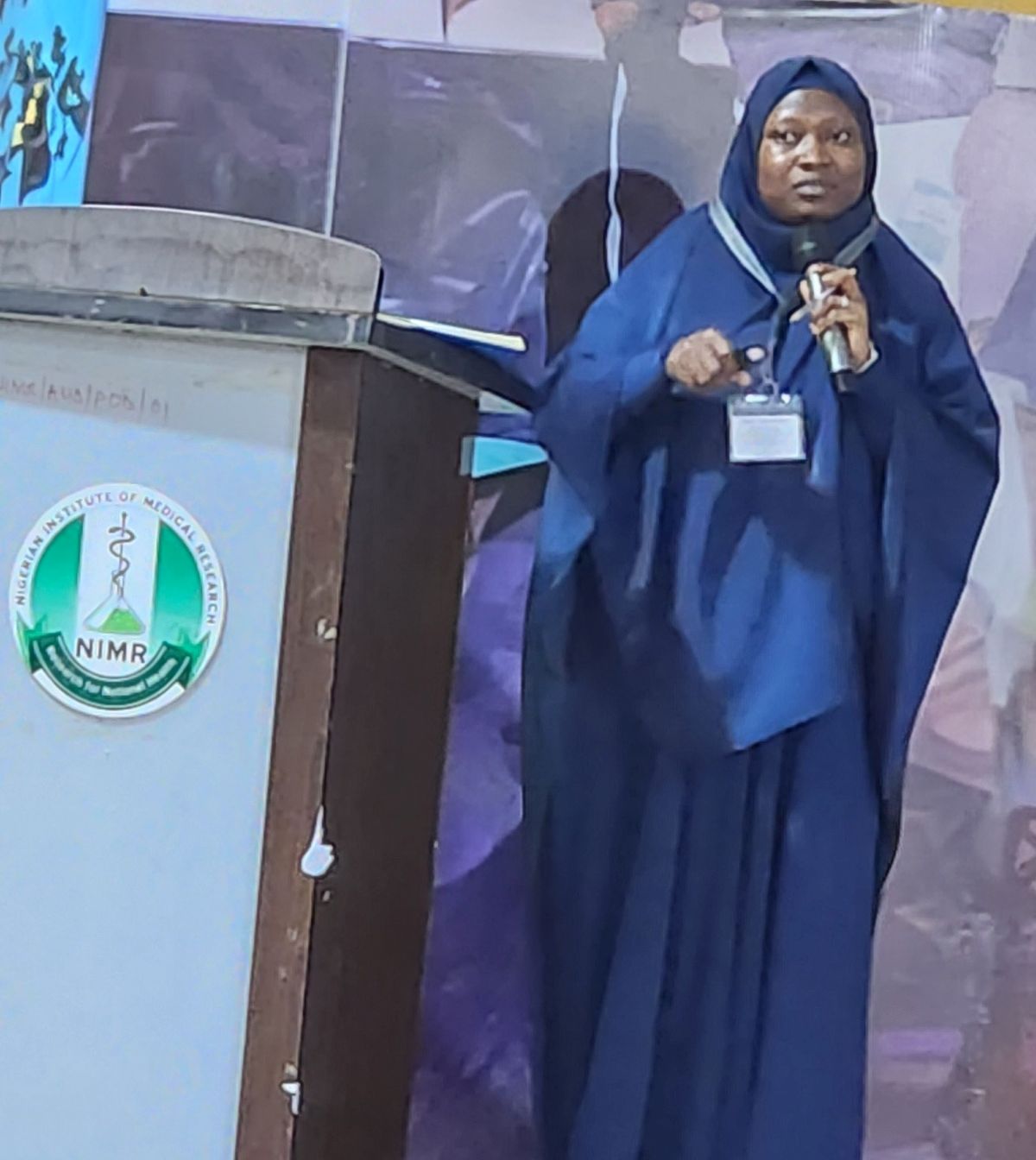
This warning follows a new study by a NIMR researcher, Ms. Wakila Tijani, who developed a data-driven malaria transmission model showing that declining net coverage and usage may be fueling renewed transmission risks in high-burden states.
The study, conducted under the Nigeria Modelling Fellowship in collaboration with the Federal Ministry of Health, Nigeria Centre for Disease Control (NCDC), World Health Organisation (WHO), and the Gates Foundation, analysed malaria trends between 2018 and 2024 using epidemiological, climatic and intervention data.
Nigeria currently carries the world’s heaviest malaria burden, accounting for about 27 per cent of global cases and 31 per cent of deaths, according to the World Malaria Report.
“Malaria remains one of the most significant public health challenges in Nigeria,” Tijani said. “Using mathematical modelling based on local data helps us understand transmission patterns and the impact of targeted interventions.”
Focusing on Imo State, where malaria prevalence stands at 26.2 per cent, the study examined confirmed cases alongside rainfall patterns, temperature changes and ITN ownership and usage.
Findings showed a sharp decline in malaria cases between 2018 and 2021, following the 2017 mass distribution of insecticide-treated nets. However, cases began to rise gradually from late 2022 through 2024.
According to Tijani, the trend suggests that the effectiveness of intervention campaigns may weaken over time without sustained coverage and behavioural compliance.
“Our findings indicate that the benefits of net distribution campaigns can diminish if usage is not maintained,” she said. “Regular replacement of nets and continuous public awareness are critical.”
The research also identified rainfall as a major driver of seasonal malaria transmission, with cases typically increasing shortly after peak rainfall periods due to enhanced mosquito breeding.
“Rainfall emerged as a key seasonal factor influencing malaria transmission,” Tijani noted, stressing the need to align interventions with seasonal patterns.
Using a deterministic model that captured both human and mosquito populations, the study found that sustained ITN use significantly reduced infection rates. However, when intervention measures were removed, infection levels remained persistently high.
Further simulations showed that increasing ITN coverage and effectiveness to between 80 and 90 per cent could drastically cut transmission, in line with WHO recommendations.
The study also estimated Nigeria’s malaria transmission potential, placing the basic reproduction number (R₀) at 2.40 without intervention — a strong indicator of widespread transmission. With ITN use, this dropped to 1.10, reflecting improvement but still above the level needed to halt transmission.
Key drivers of malaria spread identified include mosquito biting rates, ITN usage and net effectiveness.
The study recommended scaling up ITN coverage to at least 80 per cent, strengthening community adherence, and integrating rainfall-based seasonal strategies into malaria control programmes.
Commenting on the findings, NIMR Director-General, Prof. John Oladapo Obafunwa, emphasised the importance of data-driven strategies in the fight against malaria.
“Nigeria cannot eliminate malaria with assumptions — we must eliminate it with evidence,” he said. “This study clearly shows that sustained intervention coverage, especially with insecticide-treated nets, is essential.”
Obafunwa added that NIMR is strengthening Nigeria’s capacity to generate predictive tools and scientific data needed for precision public health.